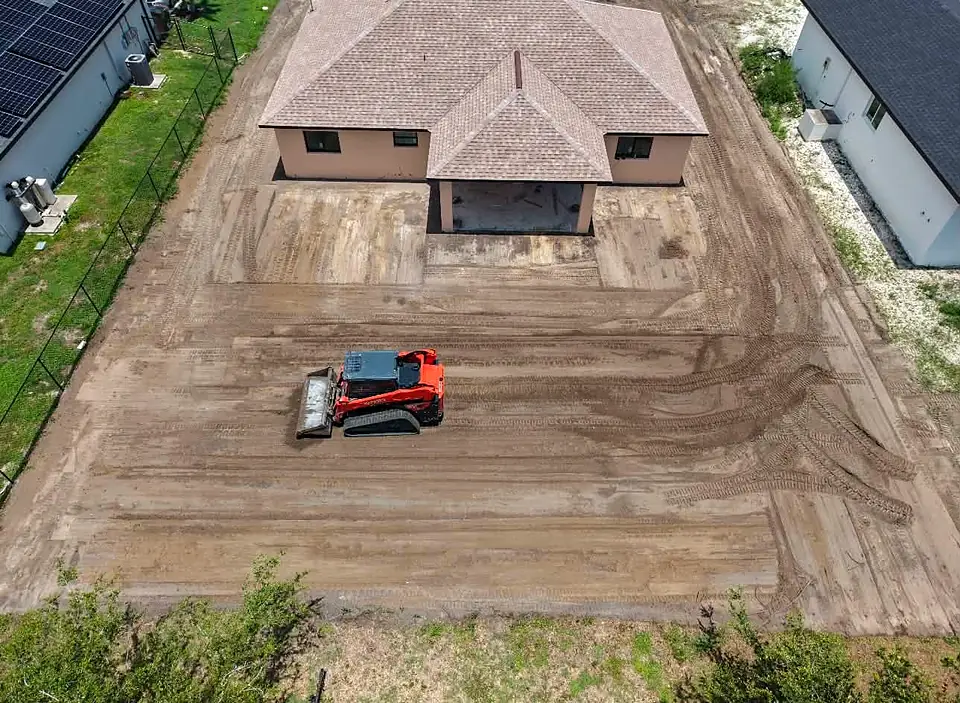
What a house pad costs in Golden Gate Estates
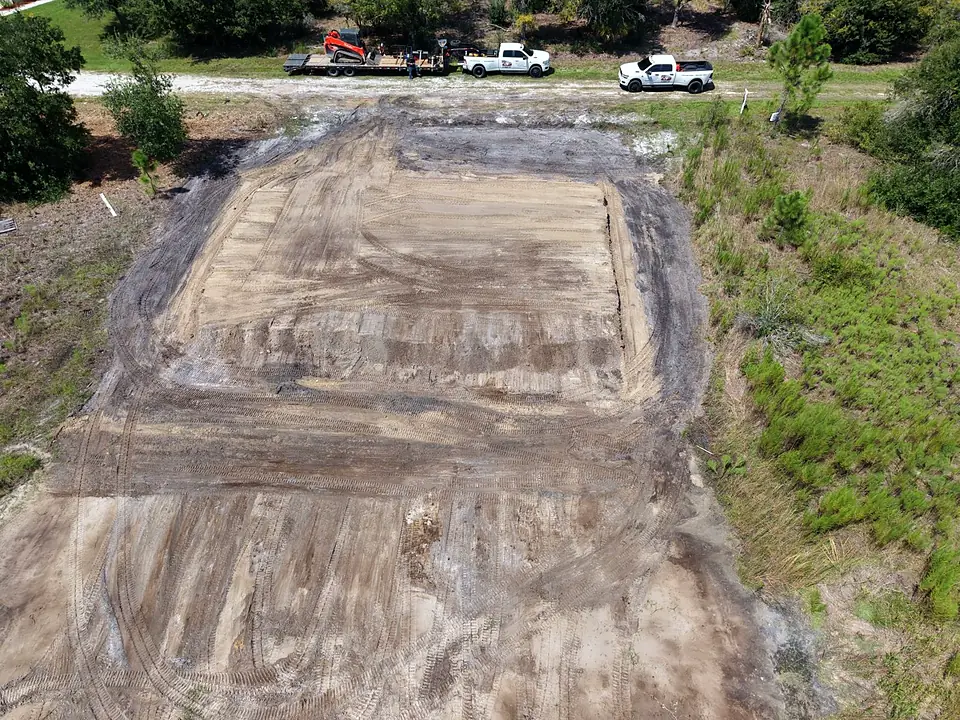
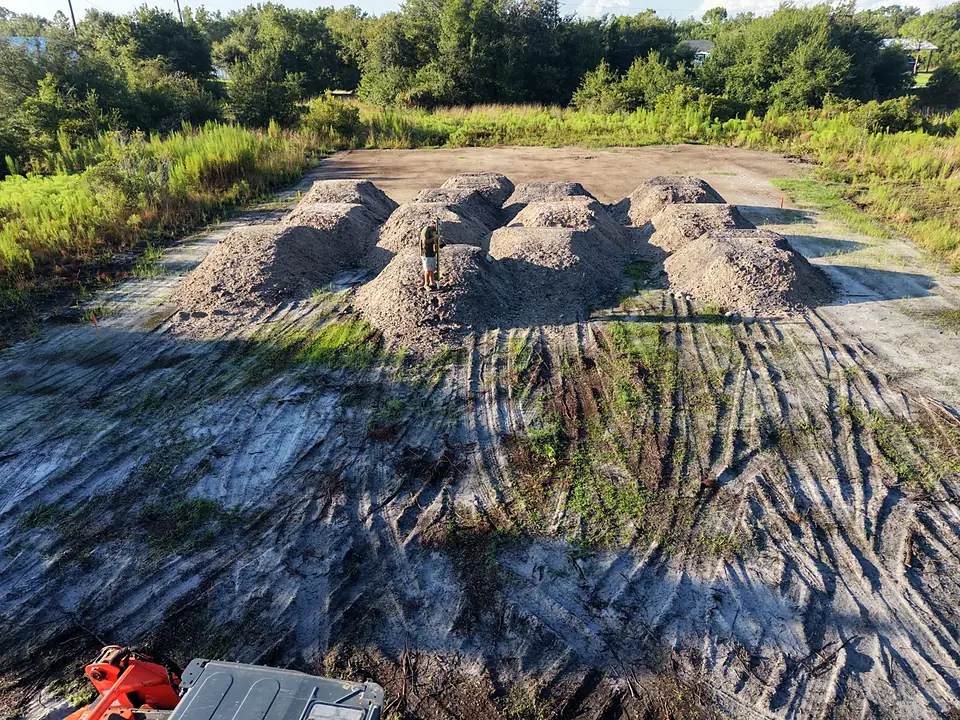
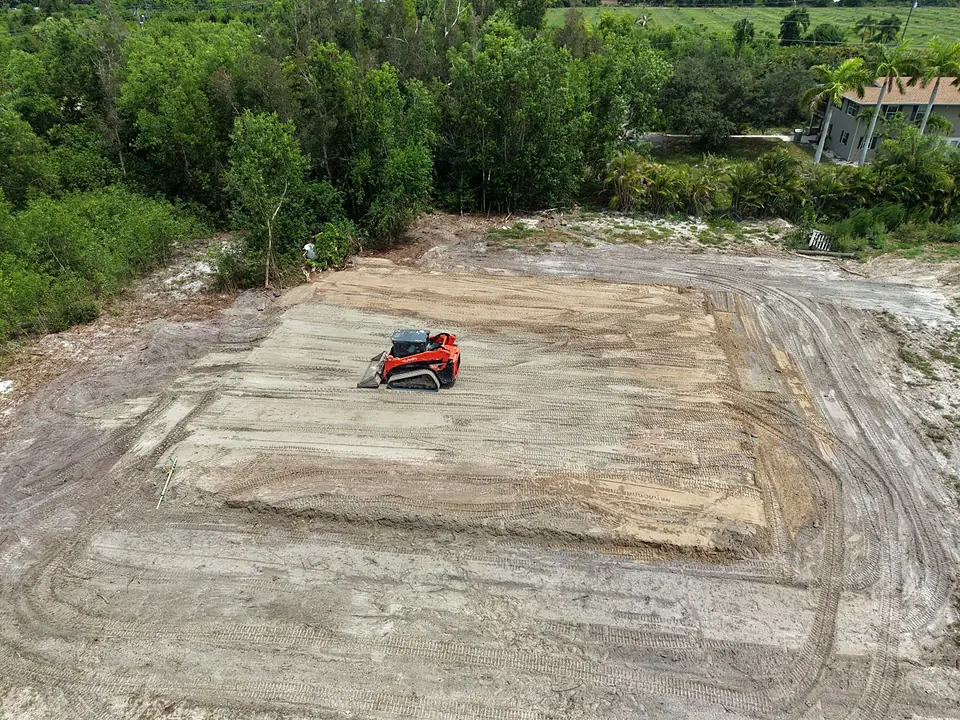
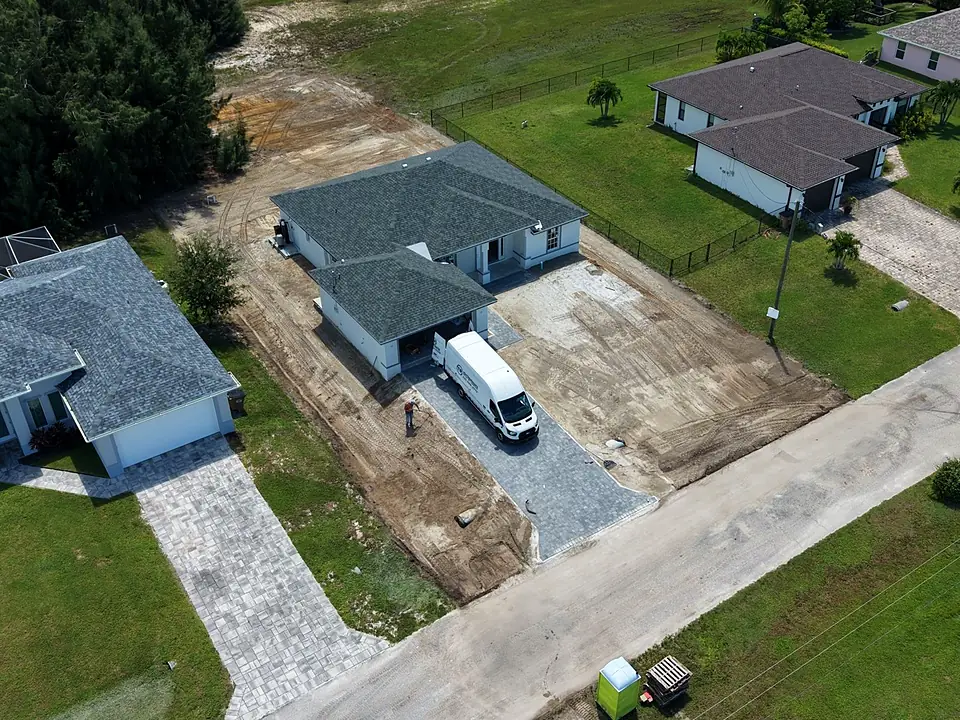
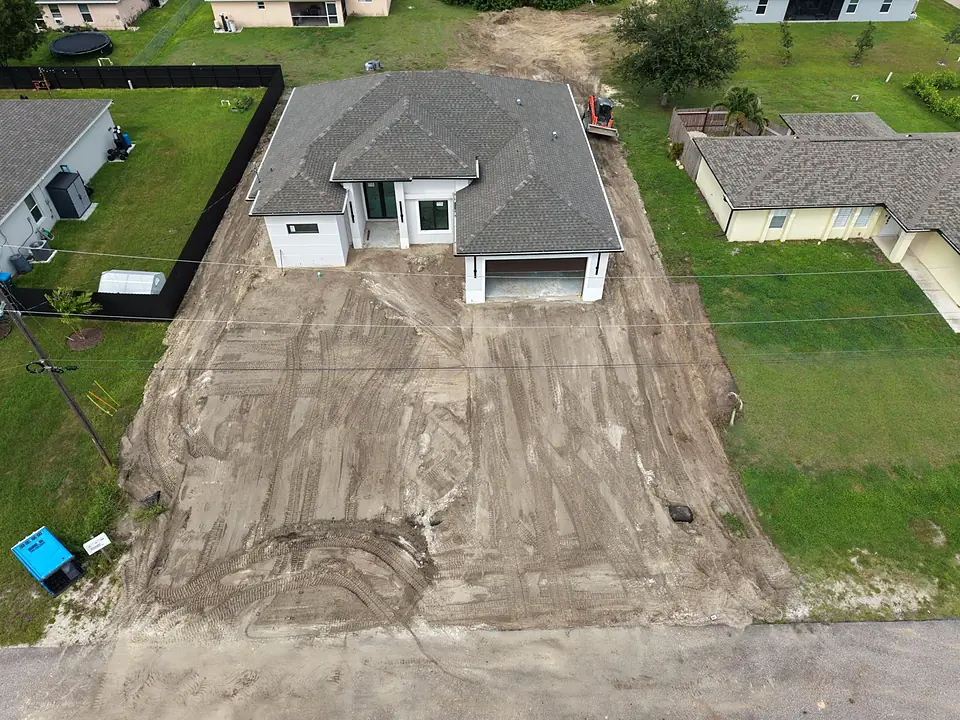
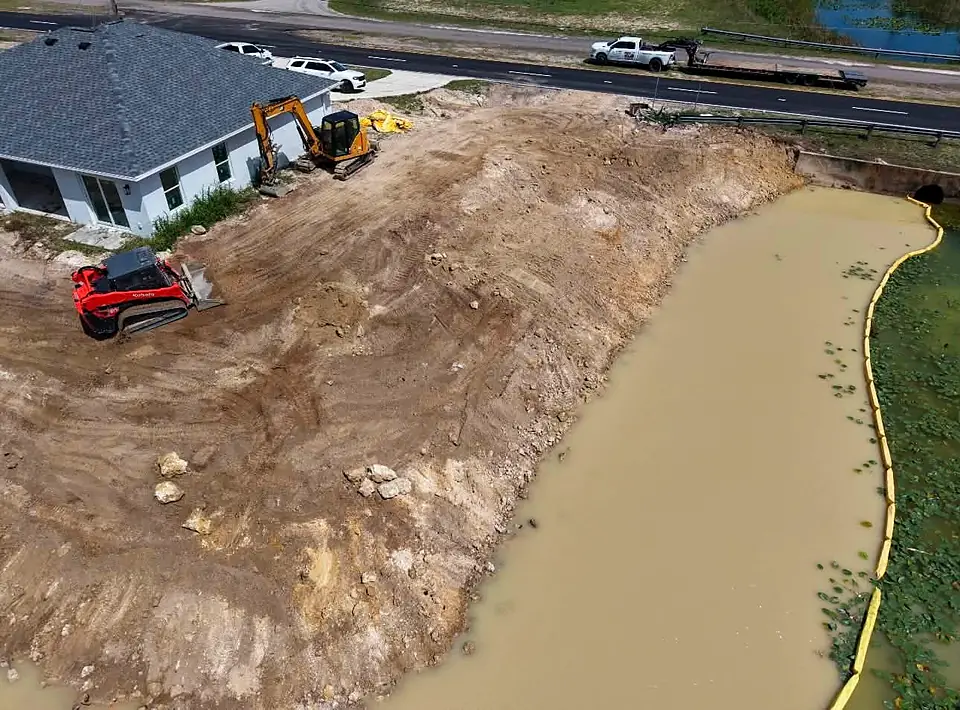
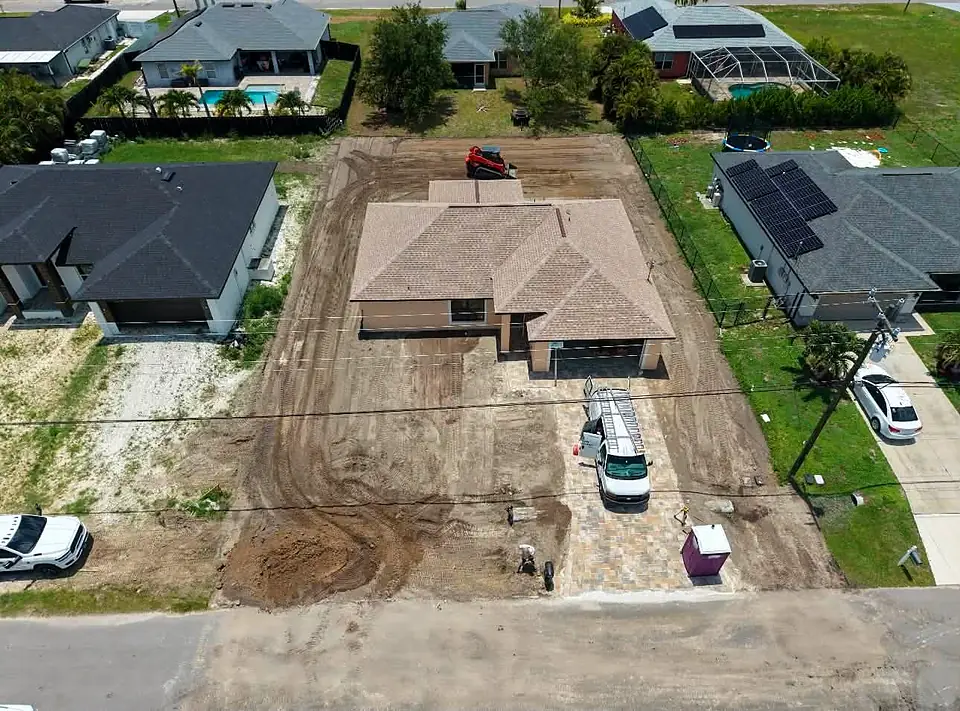
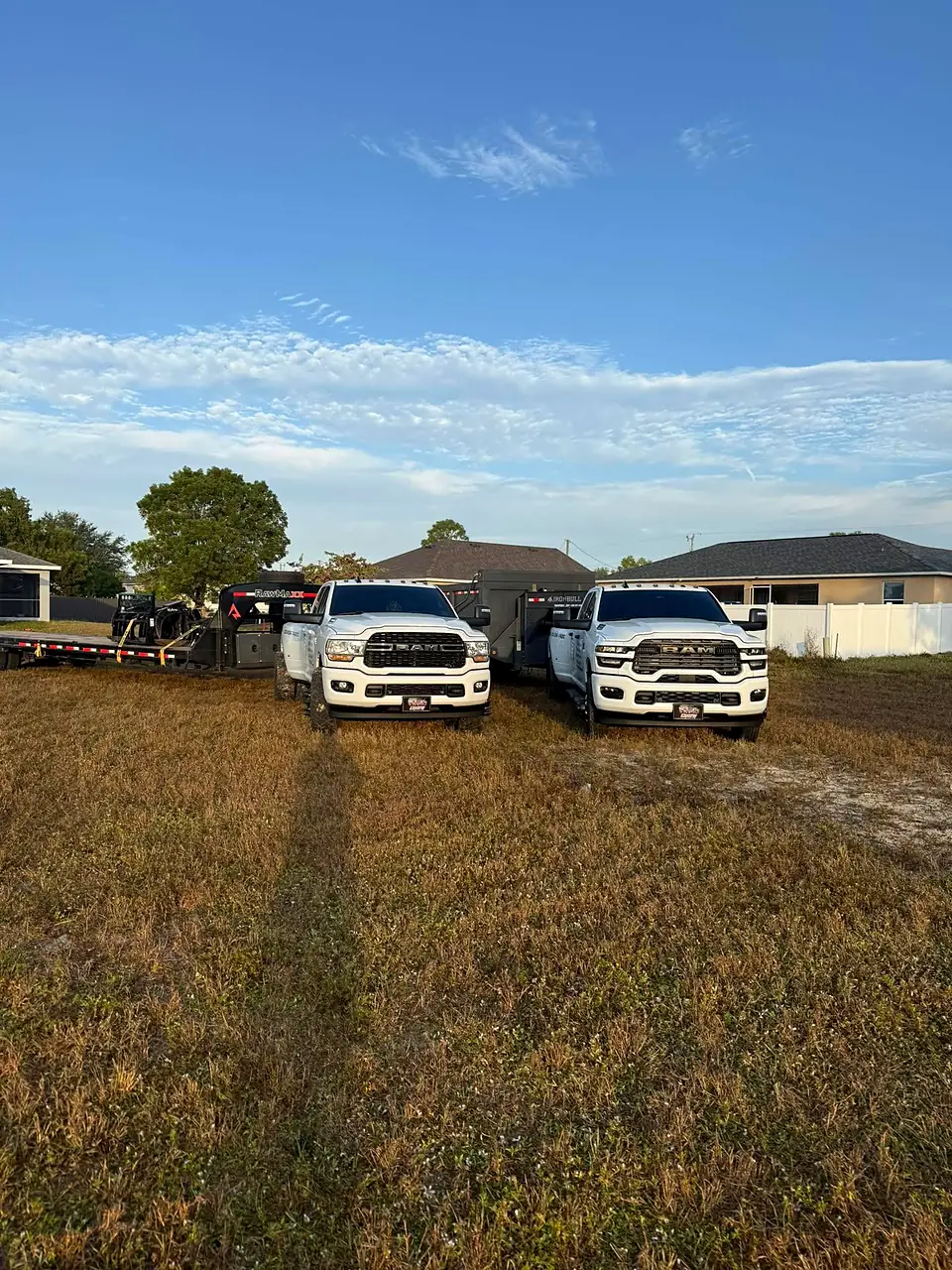
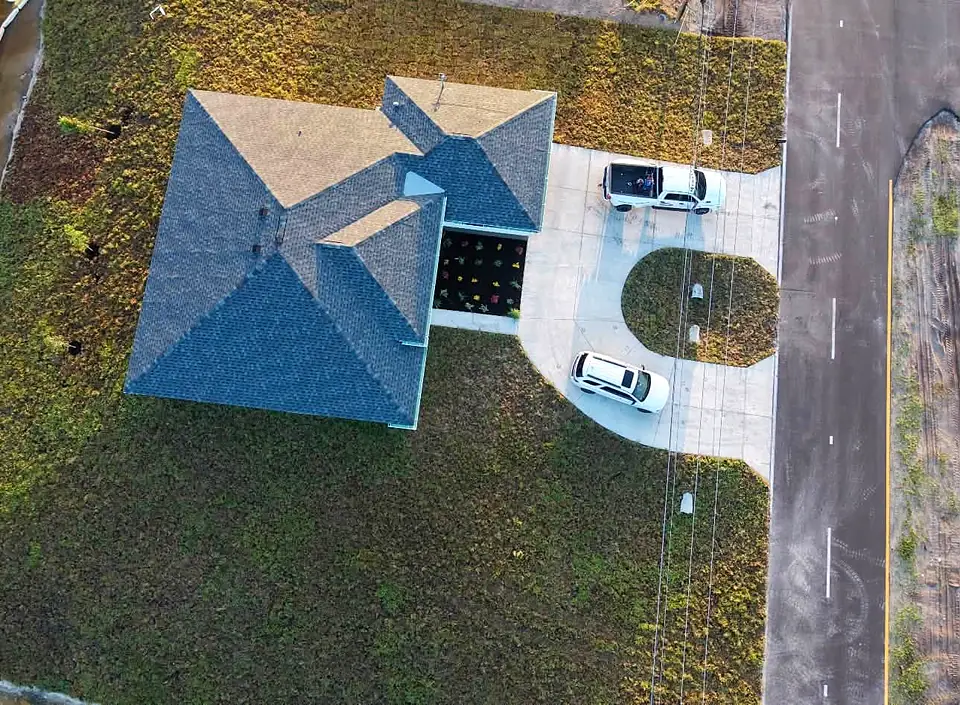
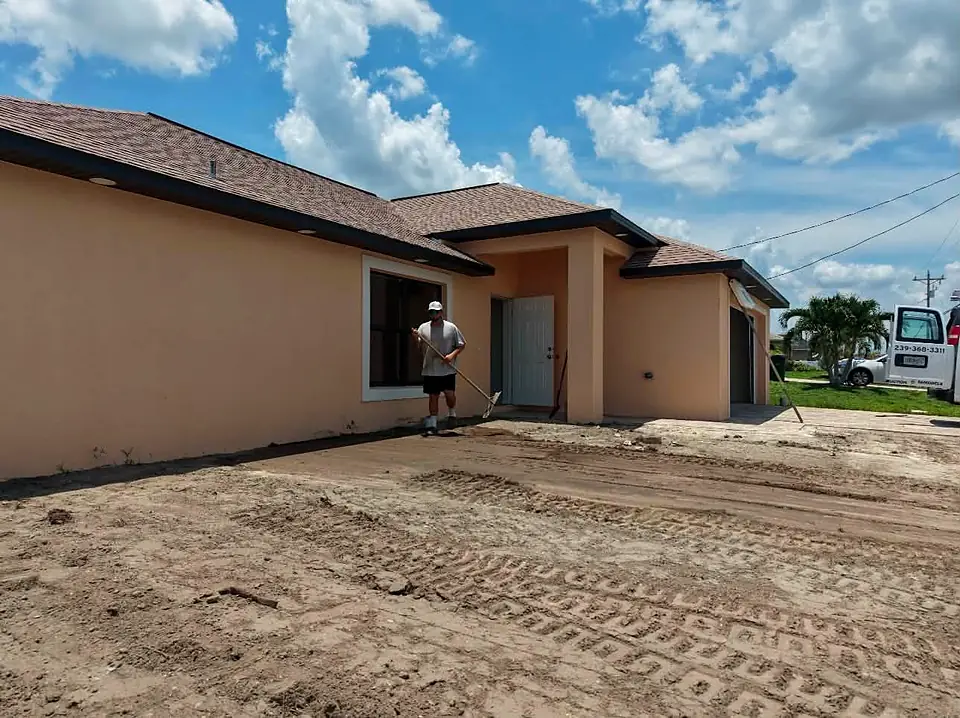
Most house pads run $700 to $1,500, depending on the size of the pad. Fill dirt runs $250 to $350 a load, depending on where the lot is and how far it is from the pit. The number of loads depends on how far the lot has to come up, which is why we ask for the survey and site plan first.
Compare quotes on the same items: pad size and height, loads of fill, clearing, compaction and grading. Those are Chop's own ranges. Your exact price comes after he sees the lot, and the quote is free: call or text (239) 560-2996.
The numbers on a Collier site plan
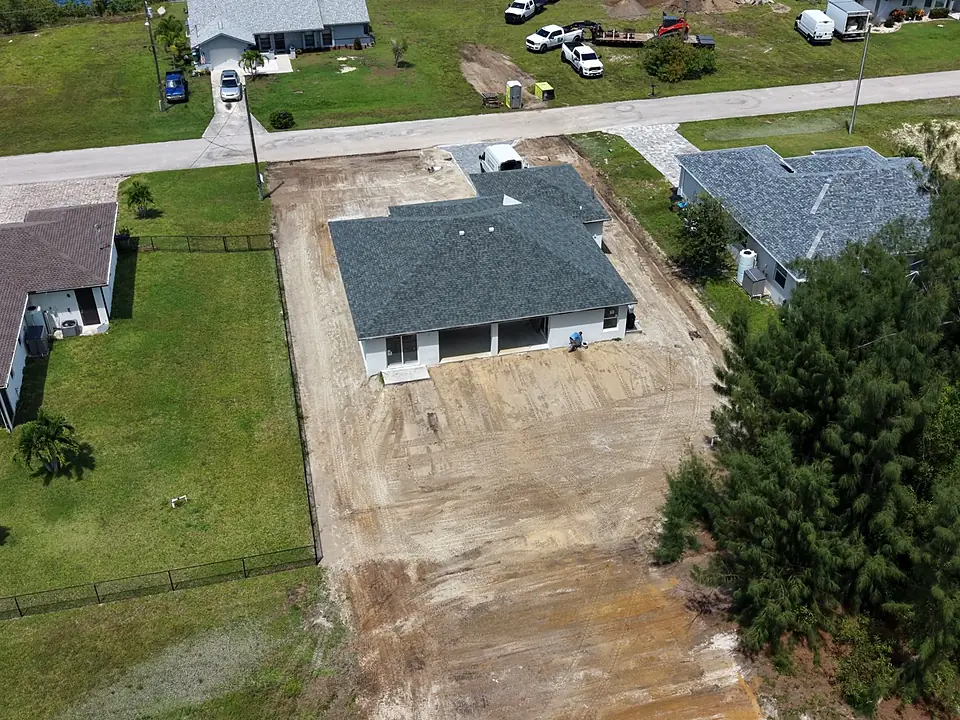
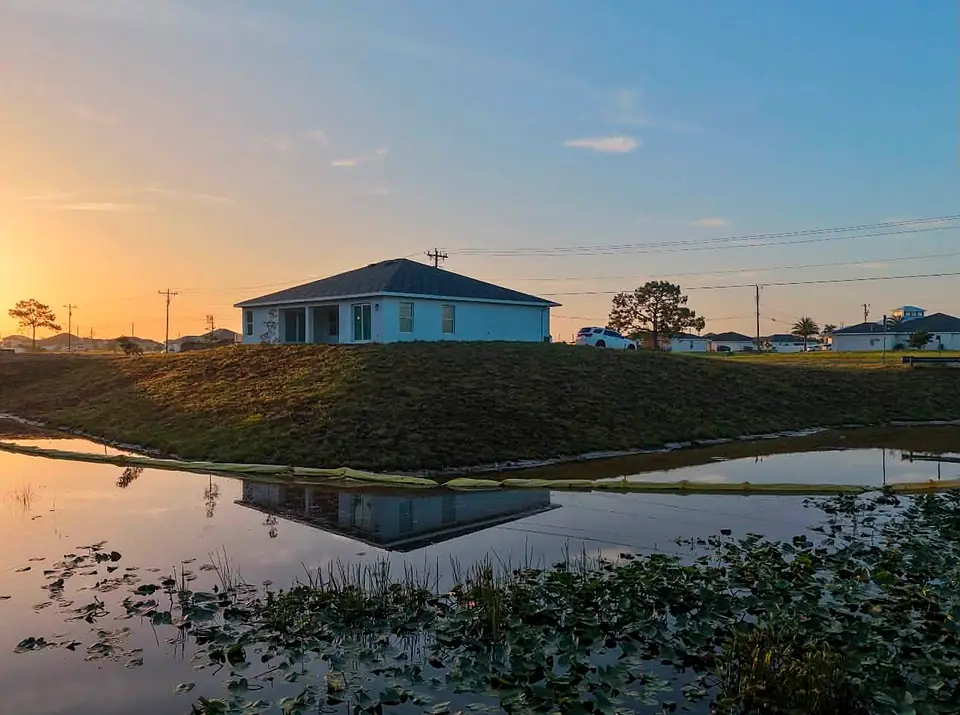
Collier wants the site plan signed and sealed by a Florida-licensed surveyor and mapper, architect or engineer, and it has to show property lines, setbacks, easements, water bodies and the existing and proposed structures. For us, the important lines are the road crown and the finish floor. The difference between them, plus what the existing ground does across the lot, tells us how tall the pad is and how far its slopes run.
If the home is on septic, the county asks you to show the distance from the house to the septic system, which has to be at least 5 feet under the state septic rule. On a big lot that sounds easy, but a tall pad has wide toes, and the drainfield needs its own room. We check the toe of the pad slope against the septic layout before the first load goes down.
Stormwater plans for Estates-zoned lots
Collier requires a stormwater plan with the building permit for one and two family lots, with a few exceptions such as Rural Agricultural lots outside the urban areas. Its stormwater plan guide sorts lots by zoning and impervious area. For Estates zoning, the table lists 25 percent impervious area or less for a Type I plan, which a licensed contractor or owner-builder can prepare. Go over that and the guide calls for a Type II plan from a Florida-licensed professional engineer, with retention area, depth and volume worked out.
One line in that guide speaks straight to pad height. For buildings raised more than 18 inches above the crown of the road, the Type I plan has to show the grade at the property line and the proposed slope, and a cross section where the building or drainfield sits close to a property line. The guide notes that item is not required with stem walls. That is one reason some Estates builders choose a stem wall: the height sits on block instead of a wide mound of fill. Our {A('guides/stem-wall-vs-monolithic-slab', 'stem wall vs monolithic slab guide')} lays out the trade.
Inspections and the spot survey
Collier's building bulletin on flood zone construction lists the second inspection as Footing (100), Slab (103) or Monolithic Slab (133). Around that inspection a licensed surveyor prepares a spot survey with elevations for the slab and the crown of the road, and the bulletin says the permit gets an inspection hold if that survey is not in within 10 days. A pad that comes up short shows up right there, which is why we shoot grade on the pad as we build it, not after.
At the end, the final building inspection looks for changes to the ground or grading from the approved plans, and the bulletin lists a separate planning final for the ground and grading. A pad built to the plan, with the yard falling the way the stormwater plan shows, keeps those visits short. Compaction testing is the builder's call and their lab's job; we place the fill in lifts so the pad is ready for it.
Filling ahead of the house, and the wet season
Some owners want to raise part of an Estates lot before they have a house permit. Collier handles that separately: its Vegetation Removal and Site Filling application, under LDC 4.06.04, asks for a site filling and grading plan, a revegetation plan and a site stabilization plan for the disturbed area. Ask Growth Management before you order fill for a lot with no permit behind it.
Weather is the other planning item. South Florida's wet season runs May 15 to October 15, and low Estates ground can stay soft for weeks. Loaded trucks on a soft path make ruts that take more rock to fix than the path cost. When the schedule allows, we bring fill in drier months. If you are still planning the driveway, our Estates culvert page explains the right-of-way side, and the Naples and Golden Gate Estates page lists everything else we do out there. Send plans through our contact page.