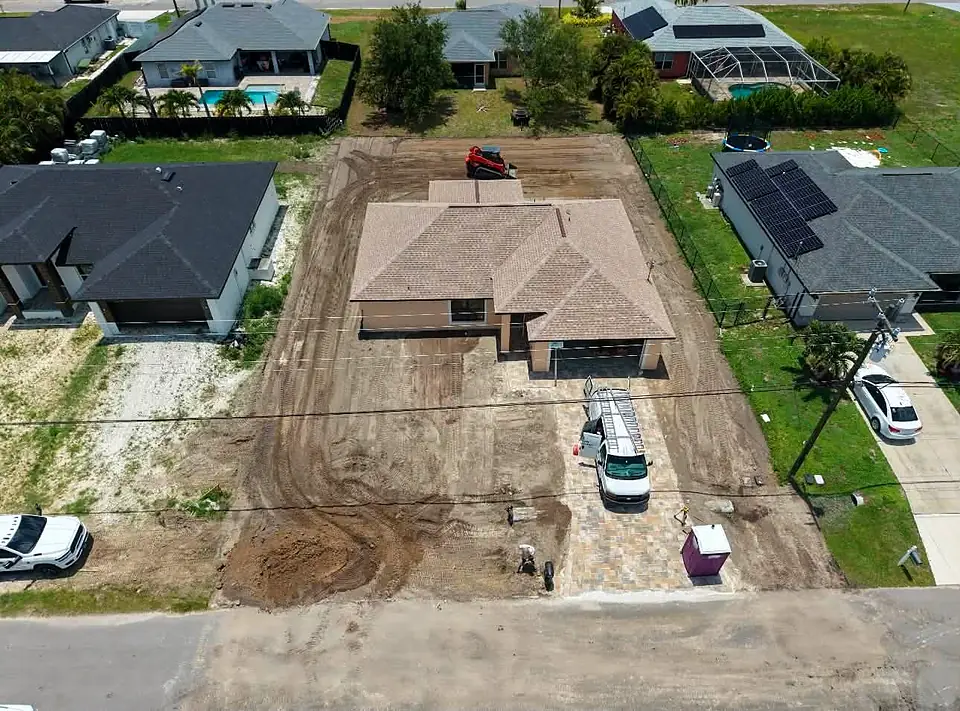
What a house pad costs in North Fort Myers
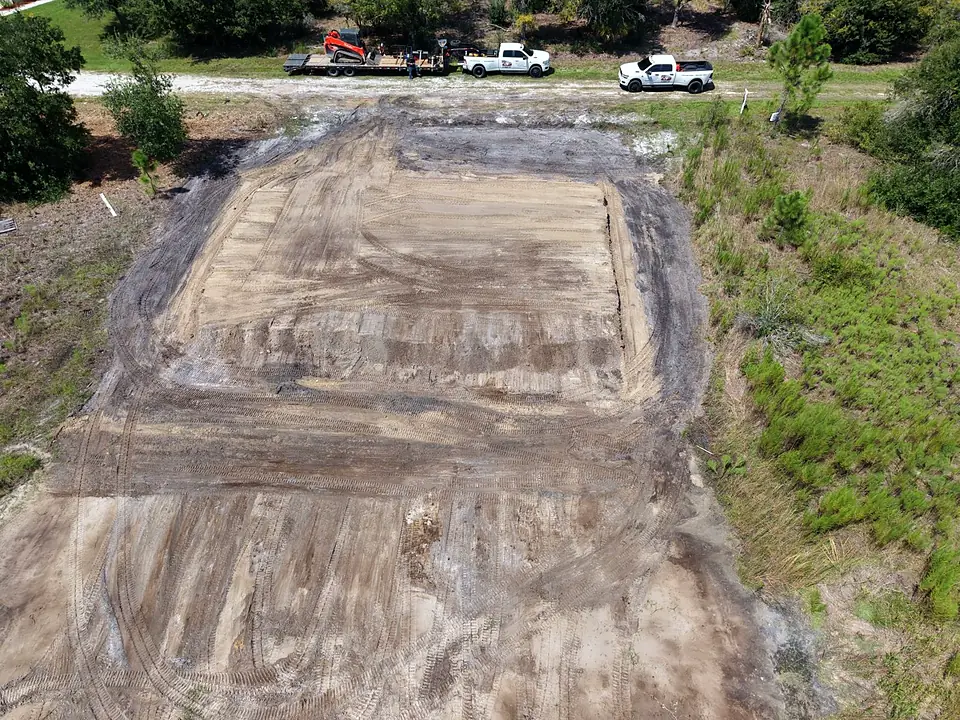
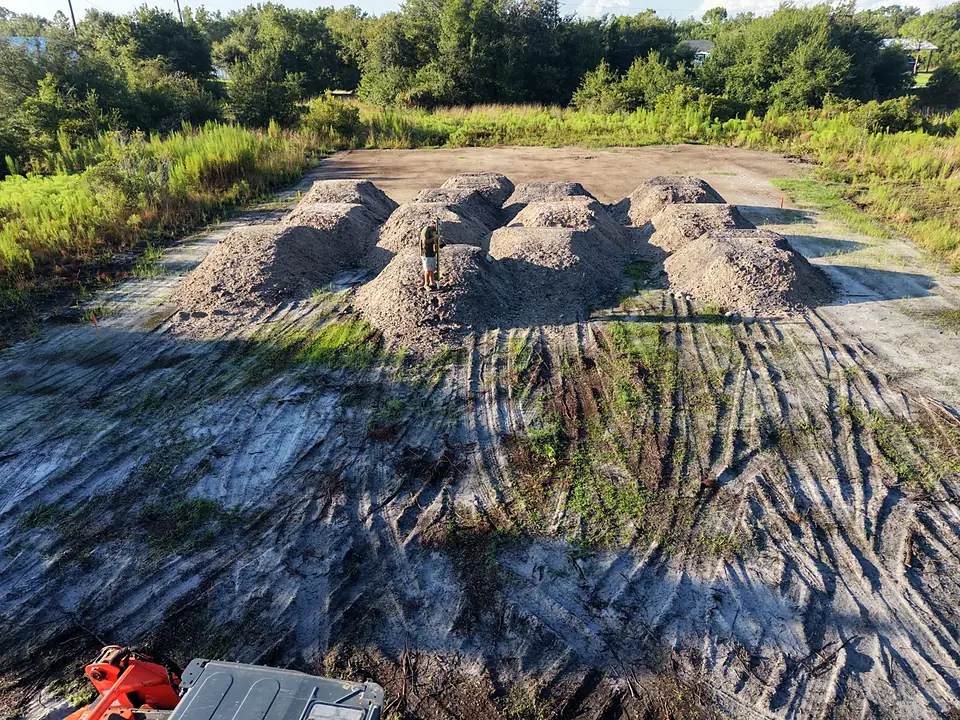
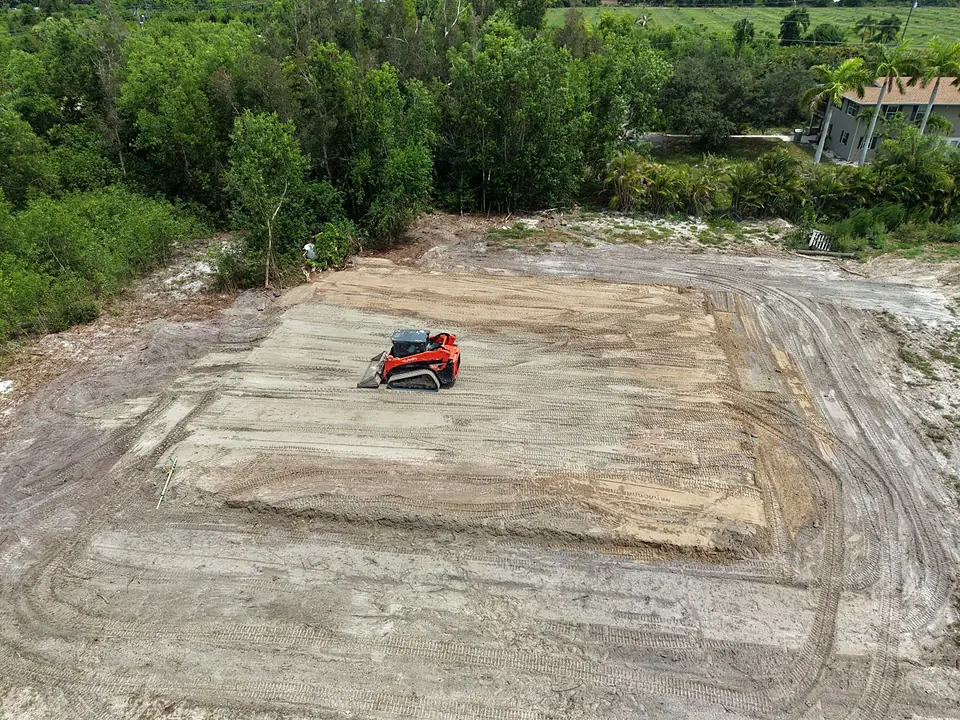
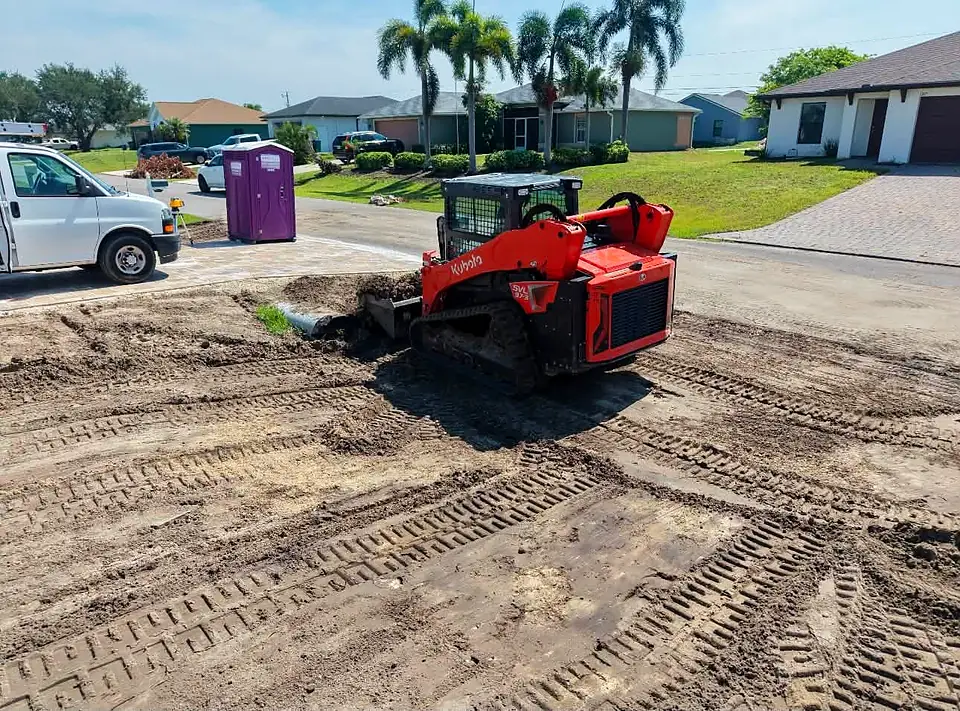
Most house pads run $700 to $1,500, depending on the size of the pad. Fill dirt runs $250 to $350 a load, depending on where the lot is and how far it is from the pit. The number of loads depends on how far the lot has to come up, which is why we ask for the survey and site plan first.
Compare quotes on the same items: pad size and height, loads of fill, clearing, compaction and grading. Those are Chop's own ranges. Your exact price comes after he sees the lot, and the quote is free: call or text (239) 560-2996.
How high the pad needs to be
Lee County treats flood zones A, AH, AE and VE as the Special Flood Hazard Area. In an A zone, the Florida Building Code puts the lowest floor at base flood elevation plus 1 foot, or the design flood elevation if that is higher. In an X zone, Lee County wants the livable floor at least 1 foot above the crown of the road. Your engineer works out which rule controls and writes the floor elevation on the plans.
V zones are a different animal. FEMA's flood insurance program does not allow structural fill to support a building there, so a house in a V zone goes up on an open foundation, and our work becomes the grade around it. If any part of your lot is in a regulatory floodway, Lee County may want a No-Rise Certification before fill goes in. Questions about a specific parcel go to the county floodplain office at 239-533-8585.
Mono pad or stem wall, and what the builder needs
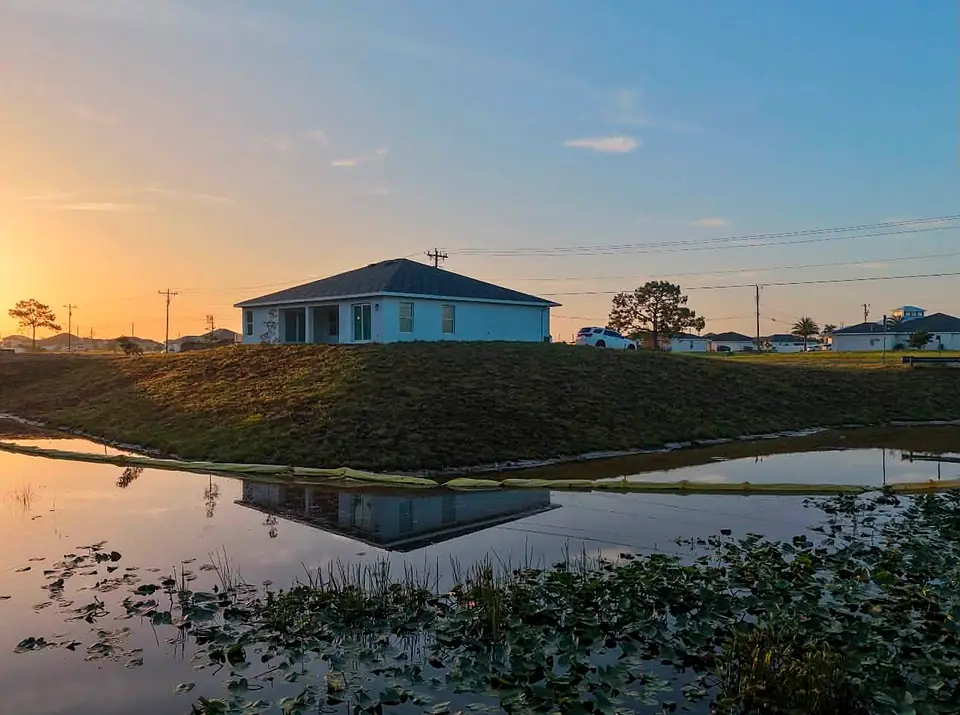
A monolithic slab sits on a fill pad built up near floor height, so the pad itself carries the elevation and the side slopes spread across the yard. A stem wall gets its height from block, and we fill the inside after the walls are poured. On a lot that needs a lot of height, stem walls usually keep more fill off the yard and away from the 18-inch line. Our stem wall vs monolithic slab guide compares the two from the ground up.
What the builder needs from us is the same on both: the pad at the elevation the surveyor staked, fill placed in lifts and compacted so it passes the density test, and the work done when the form crew is ready. Where fill supports a building, FEMA's technical guidance calls for compaction to at least 95 percent of standard Proctor density. Your engineer or testing lab sets the target for your job, and we build to it.
Drainage and the neighbors
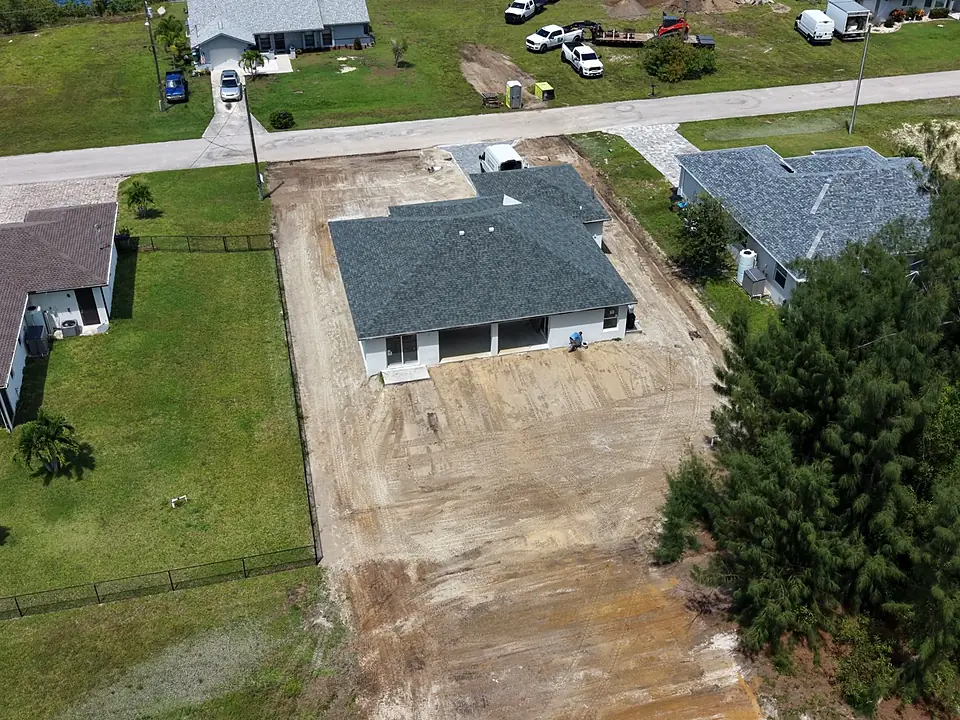
A pad built high on a flat lot can push water where it never went before. Lee County's flood brochure says state law and county ordinances prohibit owners from filling, diverting or blocking natural flowways. That is why we look at the lots on both sides and the road swale before we build. The yard gets shaped so the water follows the plan, toward the swale or a rear line, not onto the house next door.
Fill also stays out of the right-of-way. Keeping the swale open matters during the job, not just at final inspection, because a summer storm on a half-built lot will find every blocked ditch on the street.
Counting the loads
The amount of fill comes from three numbers: how far existing ground sits below the planned pad, the footprint with its side slopes, and how much the material shrinks under compaction. We take those from your survey and plans and give you the count with the quote. If you want to run the math yourself, our fill dirt guide shows how. The rest of our North Fort Myers work is on our North Fort Myers page.