Cape Coral, FL · Serving all of Florida

Se habla español (305) 506-7420chopsgradingandexcavating@gmail.comEspañol

Chops Grading and Excavating logo

Sod Installation in Cape Coral, FL

We lay sod on ground we have just graded, so the swale, the side yards and the slope away from the house are right before the grass goes down. Call for a free quote on sod for a new home, a regraded yard or a canal lot.

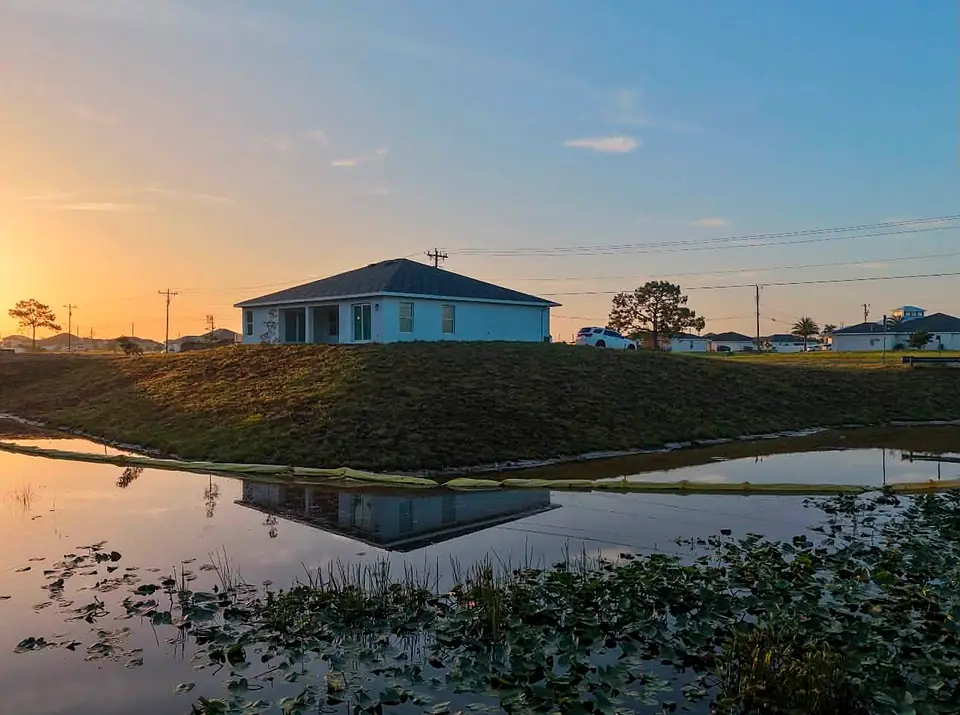
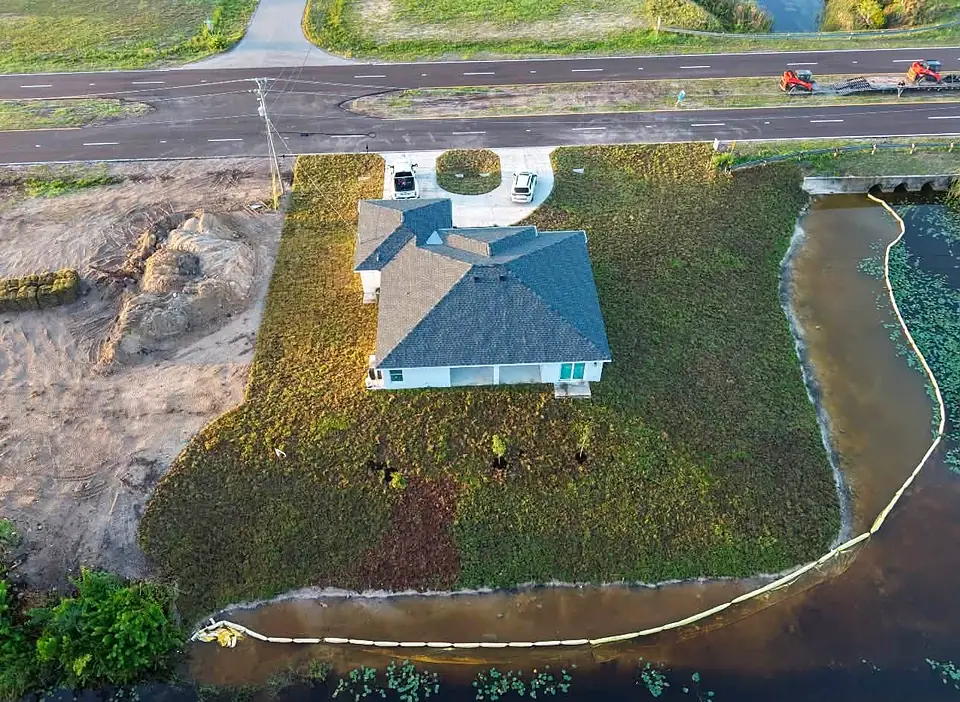
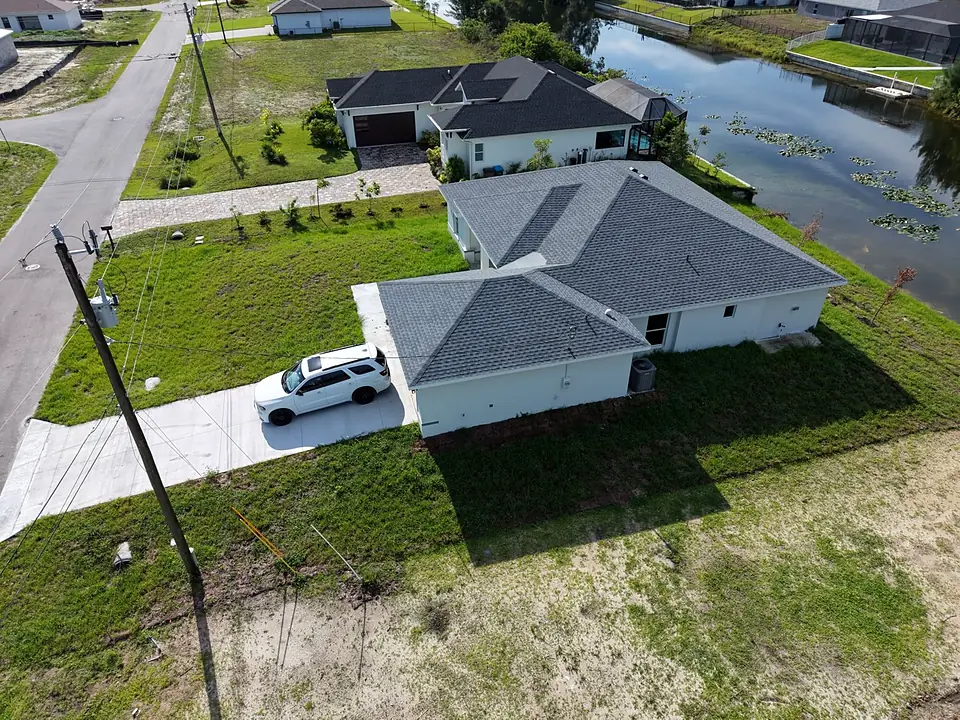
Aerial view of a finished canal lot with new grass and a turbidity barrier along the bank
Aerial view of a finished canal lot with new grass and a turbidity barrier along the bank. Service: final grade and sod.

Se habla español: (305) 506-7420

Free quote

Only your name and phone are required.

  • Owner-operated
  • Licensed & insured
  • 15+ years on heavy equipment
  • Se habla español
  • CCCIA member

Sod is the last thing on the lot and the first thing an inspector, a buyer or a neighbor sees. It is also the one finish that shows every grading mistake underneath it. A low spot turns into a puddle, a swale set too high holds water against the driveway, and a ridge of sand along the foundation sends rain toward the slab. That is why we lay sod right after we finish the grade, with the same crew and the same eye on the water.

A lot of sod work in Cape Coral is on new homes, where the yard has to be graded and stabilized before the house can get its certificate of occupancy. We also sod yards after a storm regrade, after a septic tank abandonment, and on canal lots where the city wants grass on the bank behind the wall.

The pages on site grading and final grade and culverts and drive cuts cover the work that comes right before sod in Cape Coral. If you are planning the whole build, start with our guide on building on a Cape Coral lot.

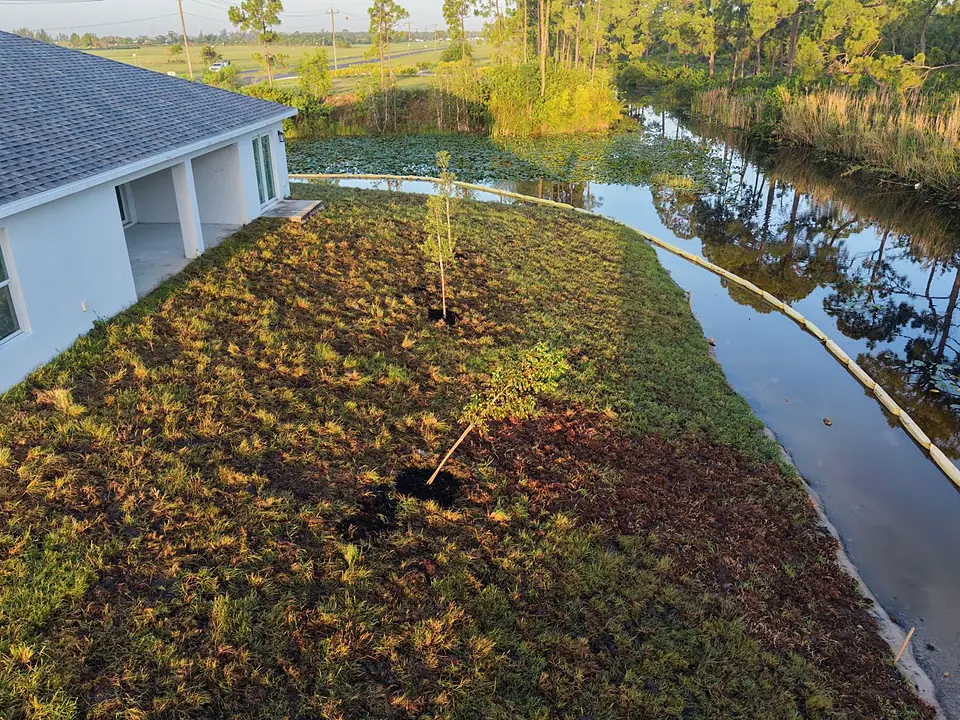
Aerial view of new sod and young trees behind a house along a canal with turbidity barrier
Aerial view of new sod and young trees behind a house along a canal with turbidity barrier. Cape Coral, June to July 2026.
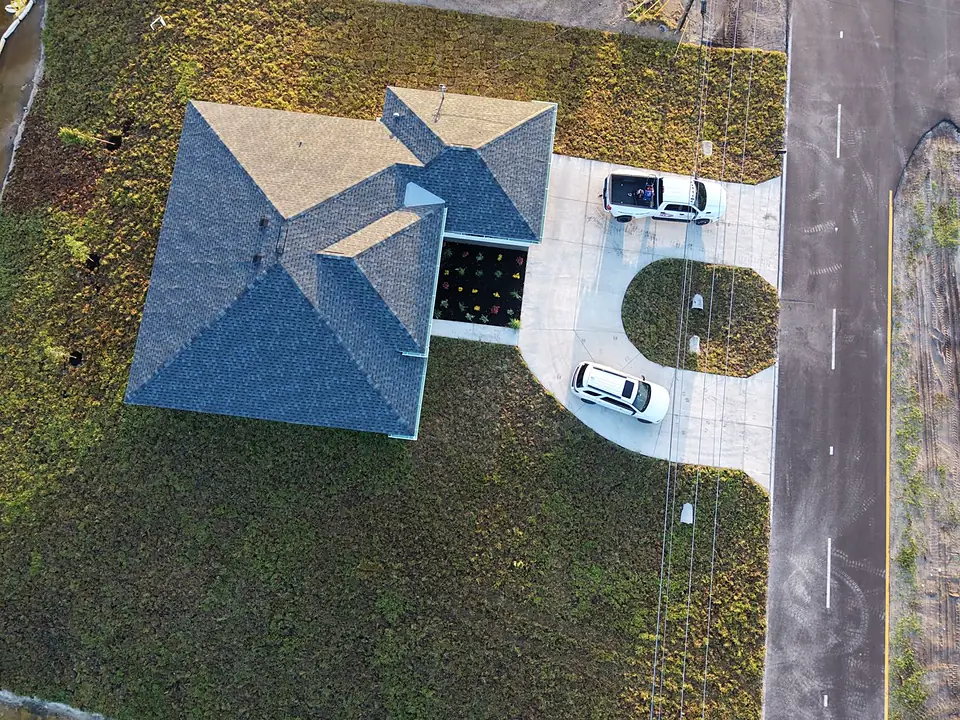
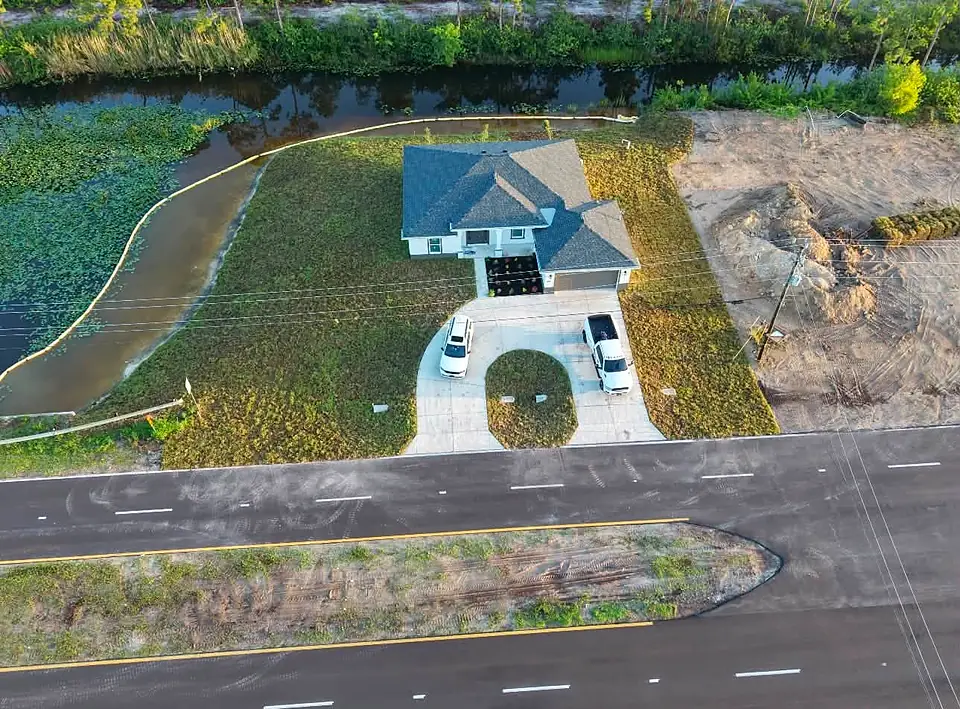
Top-down aerial view of a new house surrounded by sod with a circular concrete driveway
Top-down aerial view of a new house surrounded by sod with a circular concrete driveway. Cape Coral, June to July 2026.
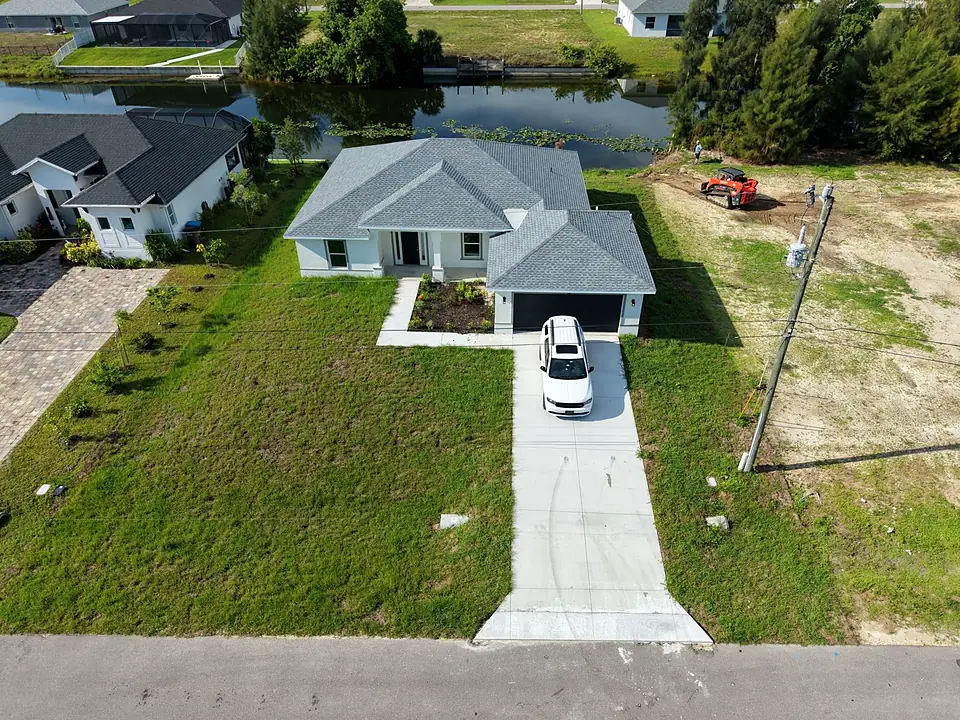
Aerial view of a new house with sod lawn and concrete driveway, canal behind
Aerial view of a new house with sod lawn and concrete driveway, canal behind. Cape Coral, June 2026.
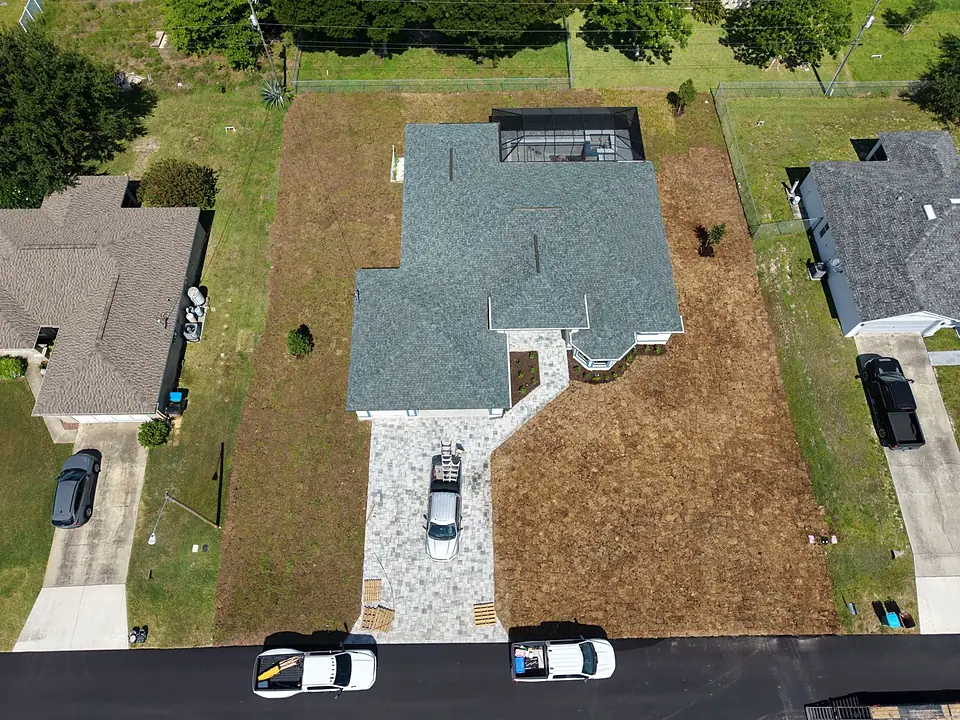
Aerial view of a new house with freshly sodded yards and a paver driveway
Aerial view of a new house with freshly sodded yards and a paver driveway. Cape Coral, June 2026.
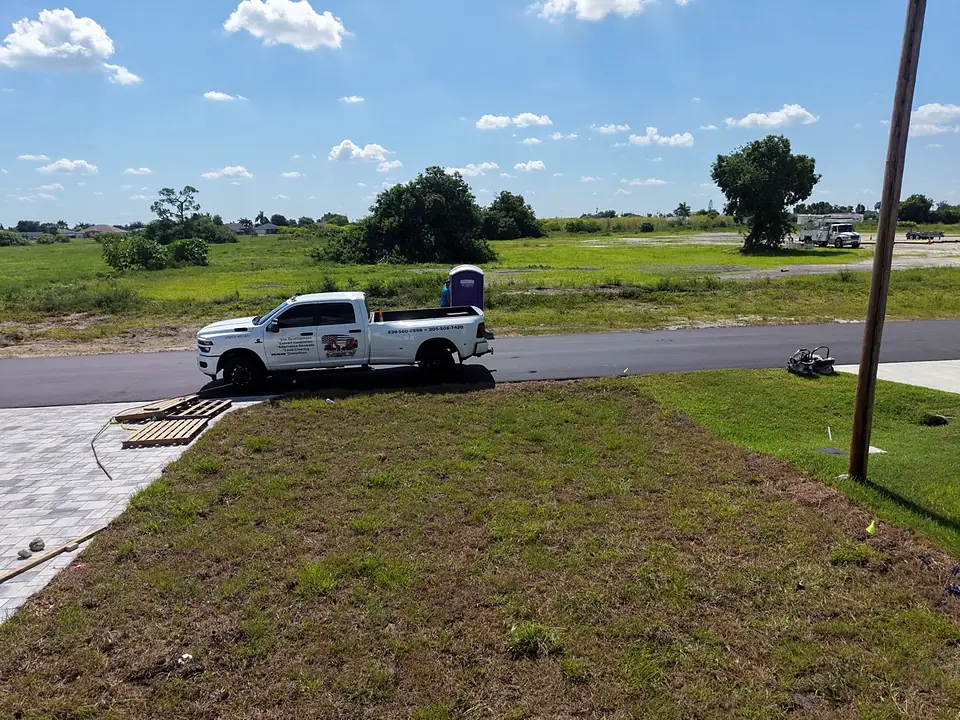
New sod lawn along a street with a white pickup truck parked
New sod lawn along a street with a white pickup truck parked. Cape Coral, June 2026.
Aerial view of new houses with sod lawns along a canal
Aerial view of new houses with sod lawns along a canal. Cape Coral, June 2026.

Watch the work

A short clip from one of Chop's jobs: top-down view of a loader grading along a pool cage and fence. No sound.

Top-down view of a loader grading along a pool cage and fence.

How sod fits Cape Coral's permits and inspections

On a new home, the swale in front of the lot is city right-of-way, typically the first 15 to 20 feet in from the road. The stormwater inspection list in Cape Coral's driveway packet includes an Initial Cutsheet, Sod and EC inspection and a separate Swale Stabilization inspection, so the swale has to be shaped and covered before the stormwater side of the job closes out. The certificate of occupancy also checks for a maximum 4 to 1 slope and a swale at the side property lines.

On an existing home, Cape Coral only requires a re-sod permit when you re-sod the right-of-way or swale area. Stormwater does a stake-out first to set the correct sod elevation, and the final inspection checks elevations from property line to property line, even when only part of the swale was replaced. The city's re-sod guideline lists a $19.60 processing fee and a $62 stormwater fee for a lot up to 80 feet wide, plus a burrowing owl affidavit.

Why we grade before we sod

Sod follows whatever shape is under it. If the ground has six inches of fall in the first ten feet away from the foundation, which is what Cape Coral's inspectors look for at final, the sod will carry water away too. If the ground is flat or backward, new grass will not fix it, and the yard will hold water after every summer storm.

So the job runs in order: rough grade, fine grade with the loader and by hand along the slab and walks, check the swale against the stake-out, then lay sod. On many lots that sequence runs straight through in one visit because we are already on site from the final grade.

St. Augustine or Bahia

The University of Florida's extension service calls St. Augustinegrass the most commonly used lawn grass in Florida. It makes a thick, green lawn and is planted only as sod, plugs or sprigs, never seed. UF notes that the Floratam variety does not hold up where it gets less than six hours of sun a day, so shady side yards may need a different cultivar.

Bahiagrass is the other common choice. UF describes it as a low-maintenance grass that does well with limited water and fertilizer and holds up in infertile, sandy soil, which is a fair description of a lot of fresh fill. The tradeoff is that it goes brown and dormant in a long drought. We will talk through sun, water and budget with you before you pick.

Canal lots and sloped shorelines

Behind a seawall, Cape Coral's inspection guide says sod has to run to the top of the slope plus 32 inches, at least 15 feet back from the seawall cap. On freshwater lots that use a sloped bank or rip-rap instead of a wall, grass is what keeps the upper bank from washing into the canal. Both need sod laid tight on a firm, shaped slope.

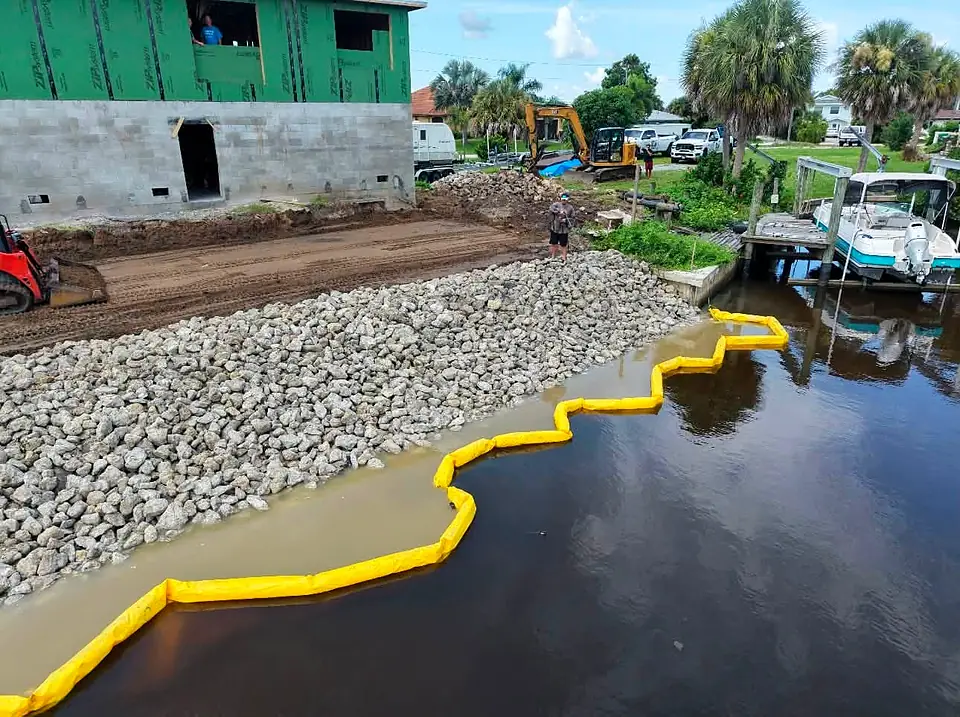
We lay canal bank sod after the shoreline work is done, and we keep the turbidity barrier in place until the ground is stable. Our rip-rap and alternative seawall page explains the shoreline side.

Timing, watering and what the yard looks like after

Sod can go down year-round here, but the season changes the job. The South Florida wet season runs from May 15 to October 15, so summer sod gets plenty of rain, but a downpour on bare graded sand the day before can cut gullies we have to fix first. In the dry months, new sod needs steady watering until it roots, so plan for that if your irrigation is not hooked up yet.

On day one you have a green lawn with visible seams. Within a few weeks of proper watering the seams close and the roots grab the soil. Keep heavy equipment, dumpsters and pallets off it during that time, and call us at (239) 560-2996, or (305) 506-7420 en español, if a section washes or settles.
How the job runs

  1. Call with the address and whether this is a new home or an existing yard.

  2. We check the grade, the swale and any stormwater stake-out.

  3. We fine grade and line up the sod delivery for the same visit.

  4. We lay, roll and clean up, ready for the inspection.

Questions about sod installation

Not covered here? Call Chop at (239) 560-2996 or read the full FAQ.

Do I need a permit to lay new sod in Cape Coral?

Only in the right-of-way. Cape Coral requires a re-sod permit when you re-sod the swale area, usually the first 15 to 20 feet from the road. Sod elsewhere on your own yard does not need that permit. On a new home, sod is part of the building and driveway inspections.

Who decides how high the swale sod should sit?

The city's stormwater staff. Before re-sodding a swale, stormwater does a stake-out to set the correct sod elevation, and the final inspection checks the elevations across the full width of the lot.

Which grass is most common in Cape Coral yards?

St. Augustinegrass, which UF/IFAS calls the most commonly used lawn grass in Florida. Bahiagrass is the lower-maintenance option and handles poor, sandy soil well, but it turns brown in a long drought.

Why does my new sod hold water in one spot?

Almost always the grade underneath. Sod follows the ground, so a low spot or a swale set too high shows up as standing water. The fix is to lift the sod, correct the grade and relay it.

How far back from a seawall does Cape Coral require sod?

The city's inspection guide says sod must extend to the top of slope plus 32 inches, a minimum of 15 feet from the seawall cap.

Can you lay sod right after the final grade is done?

Yes, and that is the right order. We finish the grade, check the swale and lay the sod in one sequence so nothing gets rutted or washed out between trades.

Get a free quote for sod installation

Call Chop with the lot address and what the plans call for. He answers his own phone, often from the seat of a machine.

Call LlamarFree quote