Cape Coral's sewer conversion and what it means for your tank
The Utilities Extension Project, known as UEP, extends city water, sewer and irrigation service to parts of Cape Coral that did not have it. When the lines reach your street, the city sends a Notice of Availability. Developed properties next to the new lines must connect within 180 days of the date on that notice, and the city tells owners to contact a City of Cape Coral licensed plumber for the connection.
The old tank does not have to be pulled out of the ground. The city's UEP pages say tanks must be collapsed and abandoned, and the Health Department requires the tank to be pumped out before it is demolished. The city lists a $100 Septic Abandonment Permit Fee, and the Health Department does the septic abandonment inspection. The plumber can do the abandonment, or the property owner can do it on their own home. Our septic abandonment guide lays out the order of the steps.
Our part in a tank abandonment
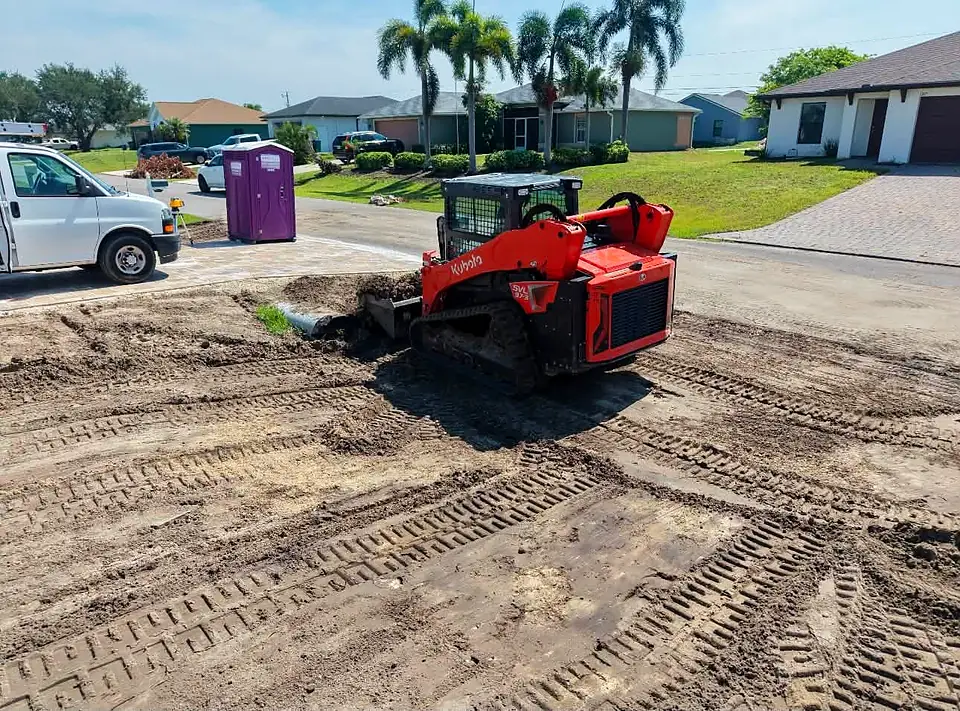
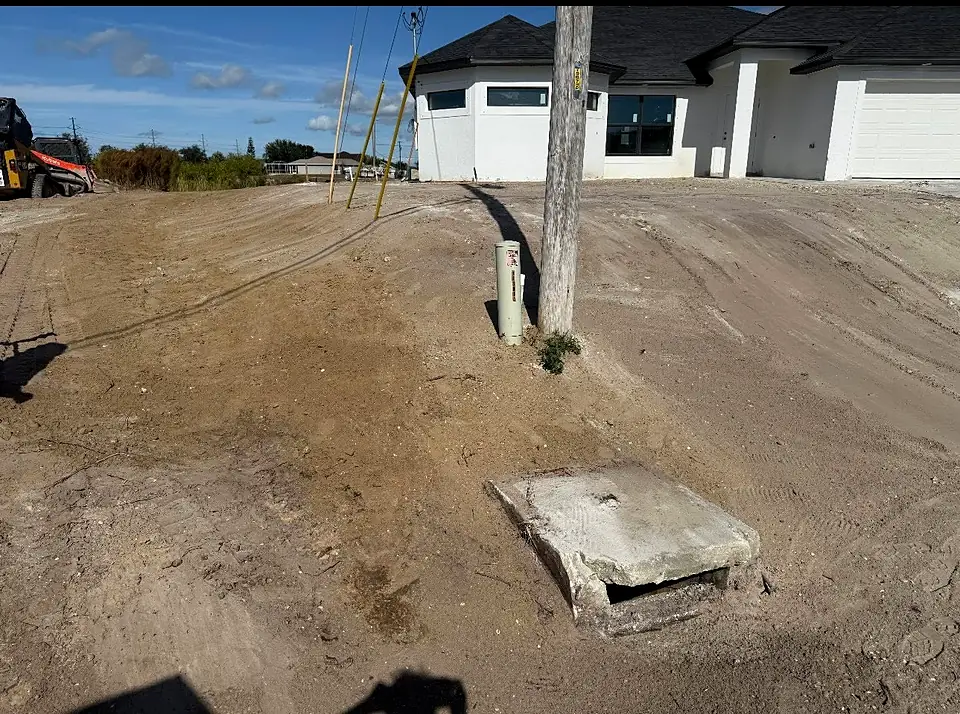
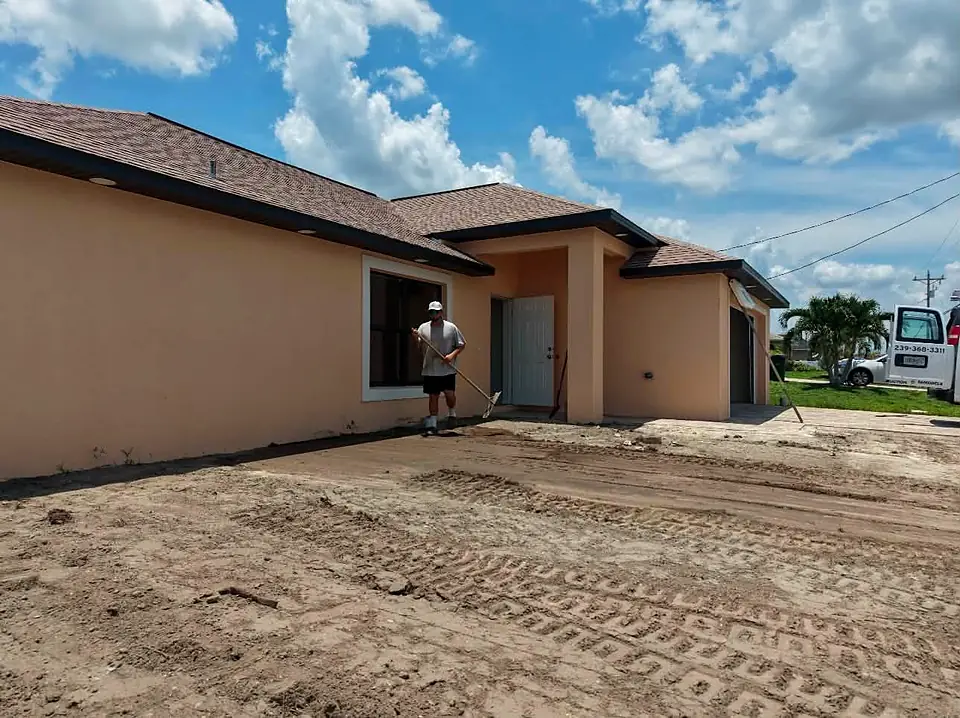
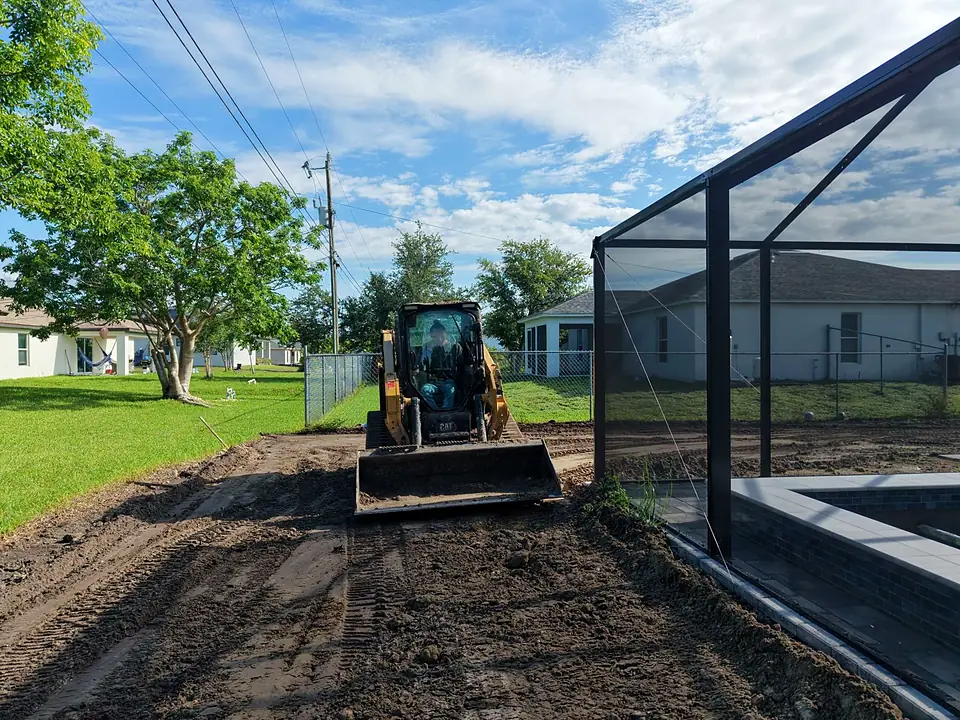
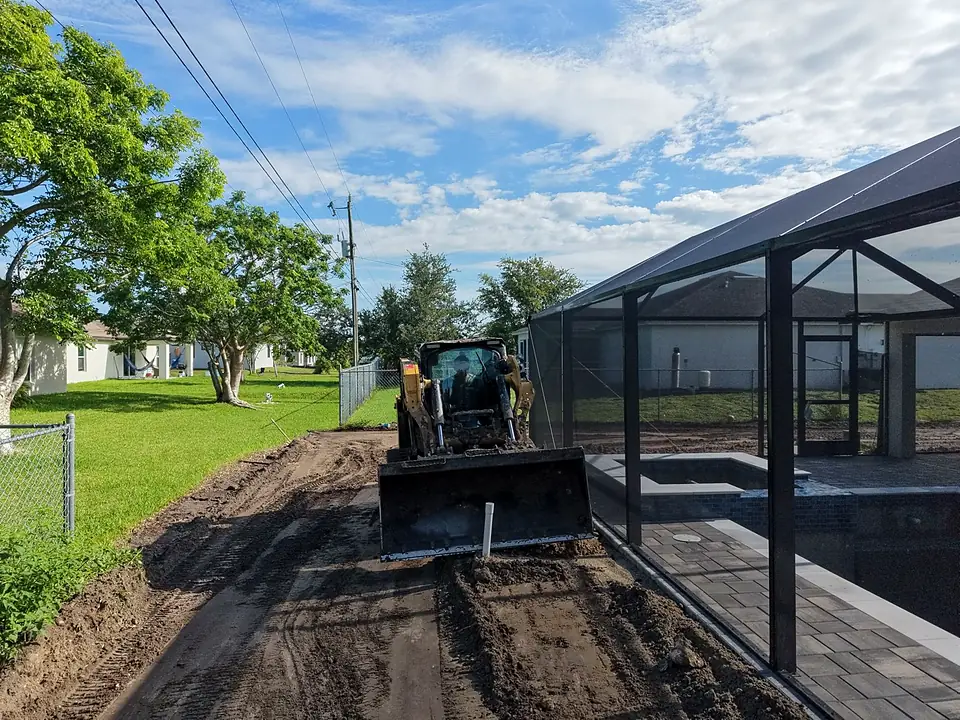
On an abandonment, we dig down to the tank, expose the lids and the top, and give the permit holder room to work. After the pump-out, the tank is broken down and collapsed in place as the permit requires. We then backfill the cavity with clean fill, compact it in layers so it does not settle into a sinkhole in the lawn, and grade the area to match the yard around it.
An old tank can sit a few feet from the house, the new sewer lateral and the water meter. That is why we call Sunshine 811 at least two full business days before we dig, and why a compact machine on a small residential lot matters. When we leave, the ground is ready for new sod, and the broken concrete and spoil go with us.
Excavation for new septic systems
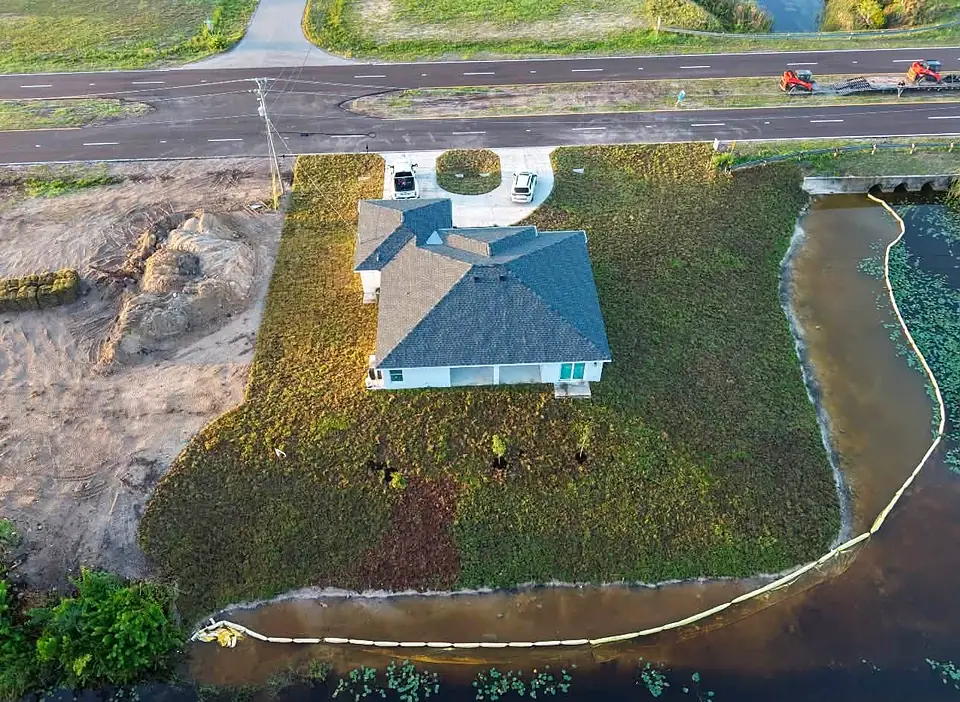
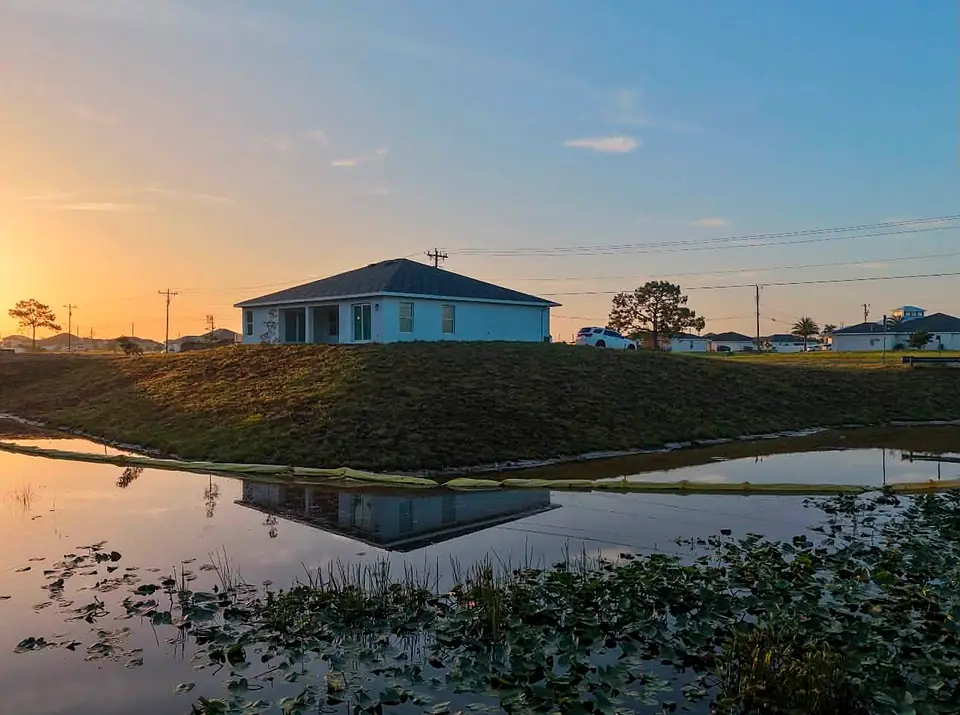
Outside the sewer areas, new homes in Lee, Collier and Charlotte counties still go on septic. The Florida Department of Environmental Protection took over septic permitting from the Department of Health on July 1, 2021, with county health department staff still carrying out much of the program under DEP direction. The permit comes after a site evaluation with soil profiles and the wet-season water table, and that is why so many local systems sit on a raised bed of fill.
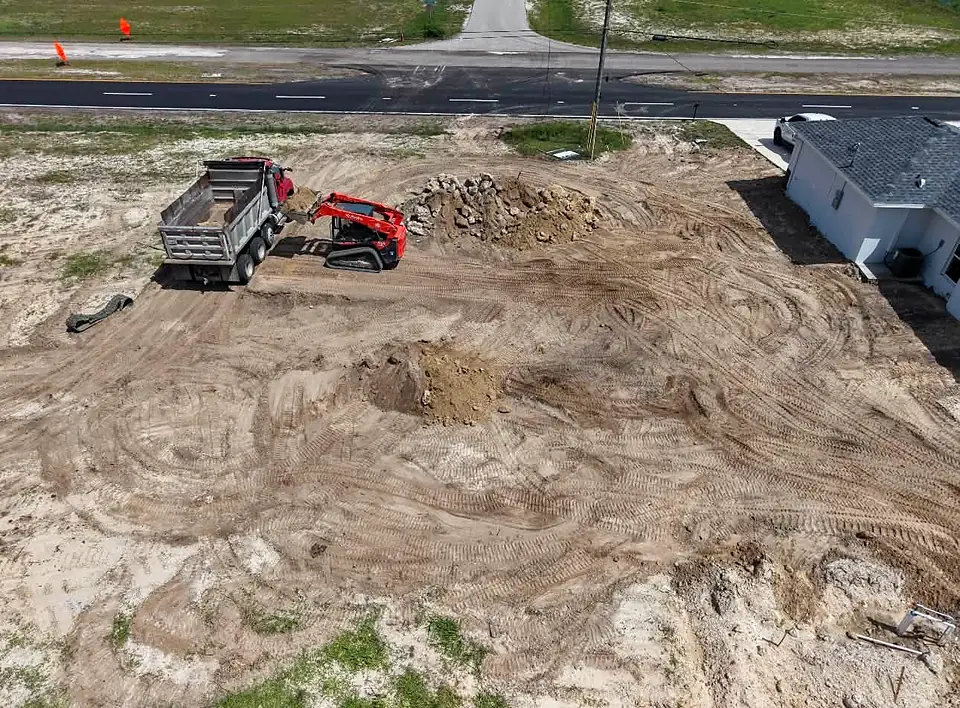
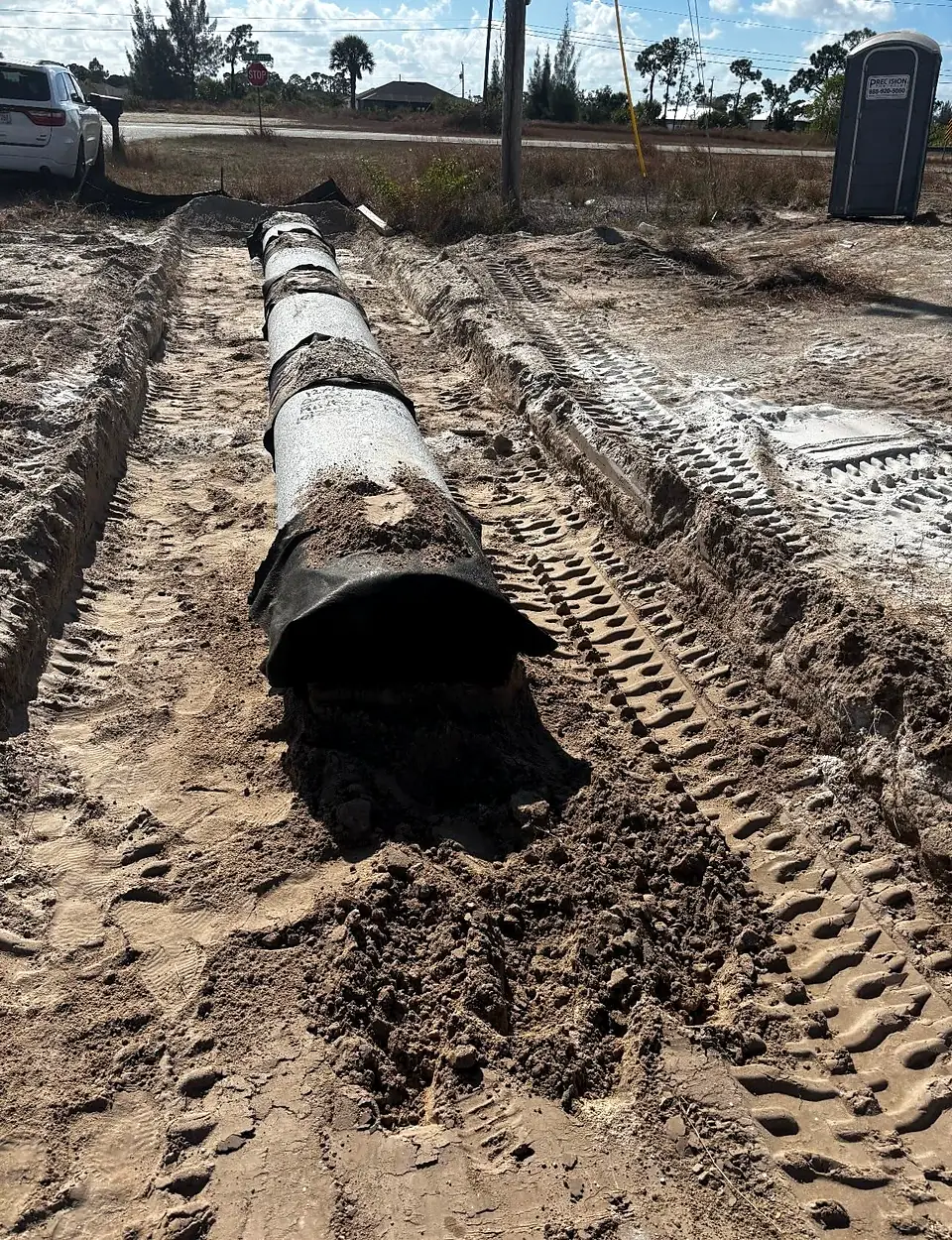
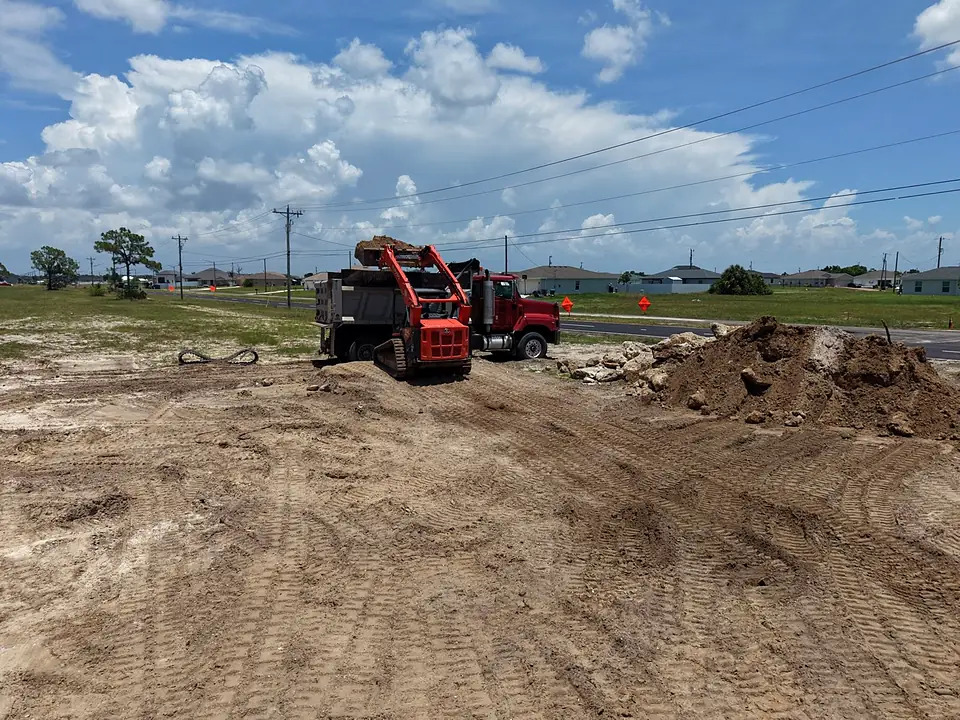
We dig the tank hole and the drainfield area to the elevations on the approved plan, bring in and place the permitted fill for raised systems, and shape it so the system and the house pad work together. After the installer sets the tank and lines and the inspection passes, we backfill, compact and finish the grade around it.
For builders and owner-builders
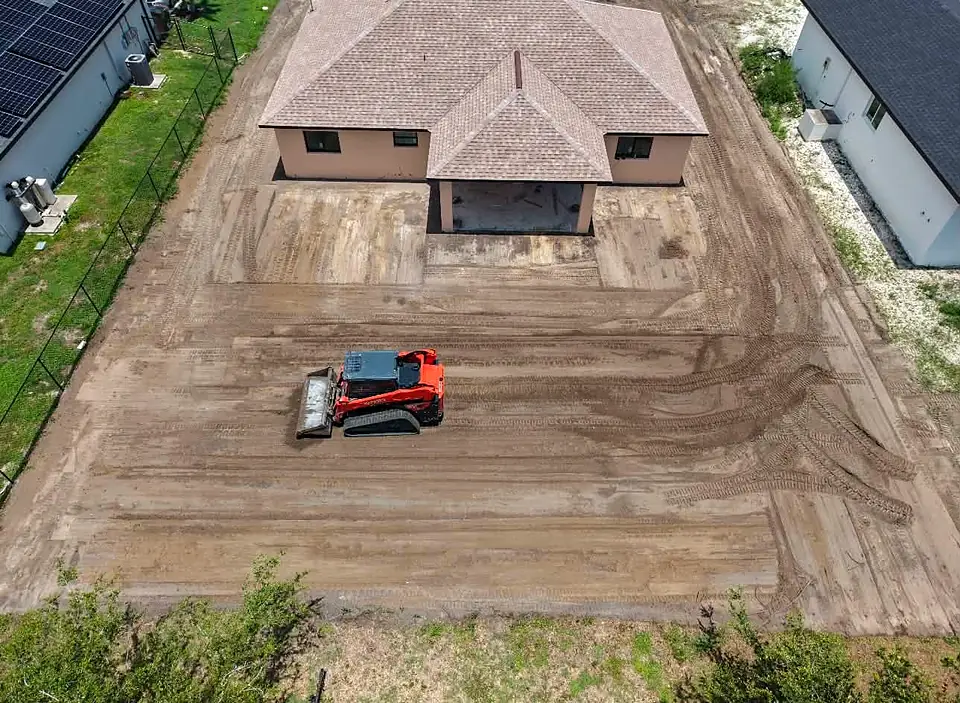
On a new home, septic excavation usually happens between pad work and final grade, so it pays to have one operator who knows where everything is. We can fill the pad, dig for the septic installer, backfill after inspection and then do the final grade without a second crew learning the lot from scratch.
Owner-builders on a UEP connection need to keep the paperwork in order: the connection permit, the abandonment permit and fee, the Health Department form and inspections. We work to the dates those inspections set. If extra fill is needed to bring the yard back to grade, we bring it from our fill dirt delivery side of the business.