Cape Coral, FL · Serving all of Florida

Se habla español (305) 506-7420chopsgradingandexcavating@gmail.comEspañol

Chops Grading and Excavating logo

House Pads & Lot Fill in Cape Coral, FL

We haul in fill, spread it and compact it so your Cape Coral lot and house pad sit at the elevation on your plans and pass the density test. Call Chop at (239) 560-2996 for a free quote; for Spanish, call (305) 506-7420.

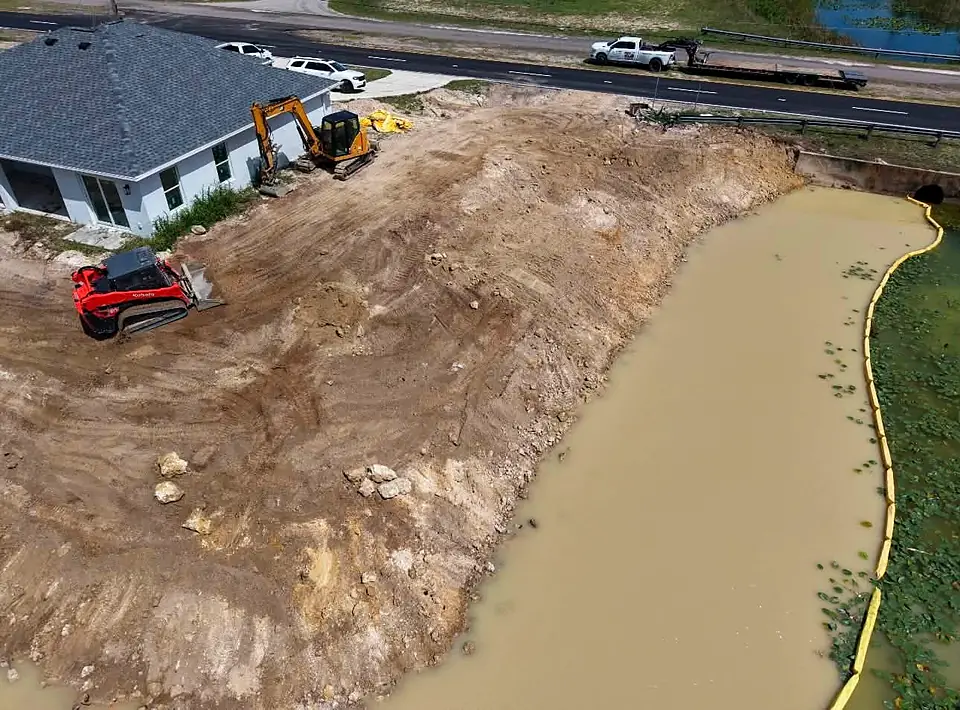
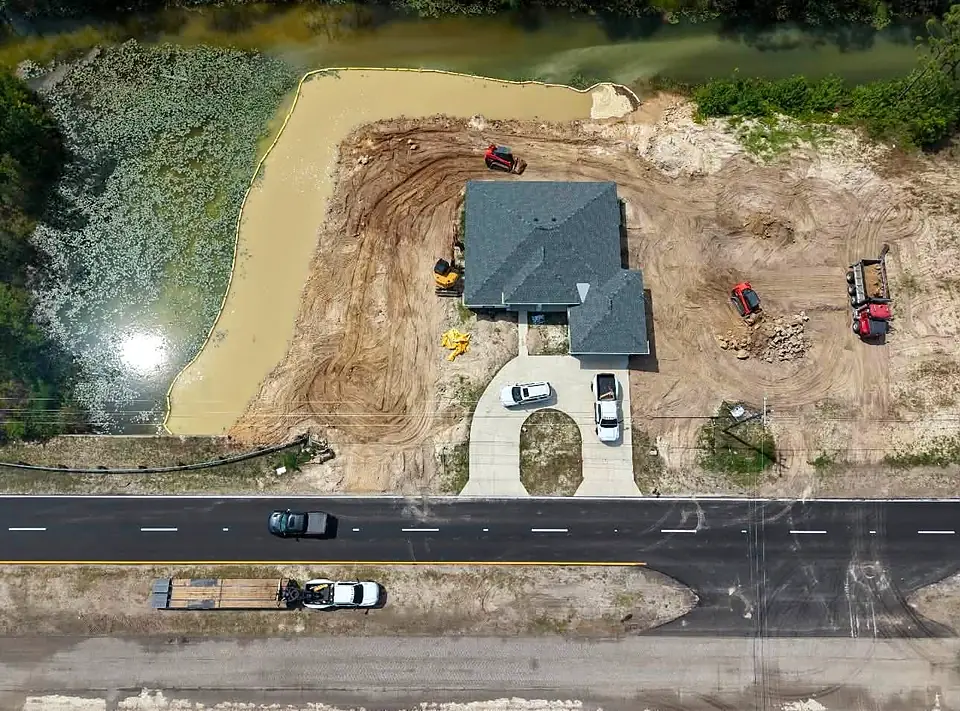
Aerial view of fill being placed on a canal lot with an excavator and track loader
Aerial view of fill being placed on a canal lot with an excavator and track loader. Service: lot fill.

Se habla español: (305) 506-7420

Free quote

Only your name and phone are required.

  • Owner-operated
  • Licensed & insured
  • 15+ years on heavy equipment
  • Se habla español
  • CCCIA member

Almost every new house in Cape Coral starts with dirt coming in on a truck. The lots are flat, the ground often sits low next to the road and the canal, and the permit sets a finished floor height the house has to reach. Our job is the part between a cleared lot and the first form board: bring in the right fill, put it where the plans say, and pack it tight enough that the testing lab signs off.

Two kinds of work fall under this heading. Lot fill raises and shapes the whole parcel so rain runs to the swale, the side lines or the canal instead of sitting against the house. The house pad is the compacted block of fill under the building itself. On a stem wall house, that fill goes inside the block after the walls are up, which we cover on our stem wall fill page. On a slab-on-grade house the pad goes in first and the slab is poured on top of it; that is our mono slab pad work.

Chop runs the loader himself and answers the phone himself, so the person you talk to about grades is the person setting them. We work for builders, general contractors and owner-builders across Lee, Collier and Charlotte counties and anywhere else in Florida, and Cape Coral is home base.

Still figuring out how many loads your lot needs? Start with our fill dirt guide. If you only need dirt dropped on site, our fill dirt delivery service covers that. If you already have a plot plan with elevations, send it over and we will price the job from the numbers on it. Our house pad cost guide explains what moves the price.

Esta página en español: Relleno y Bases

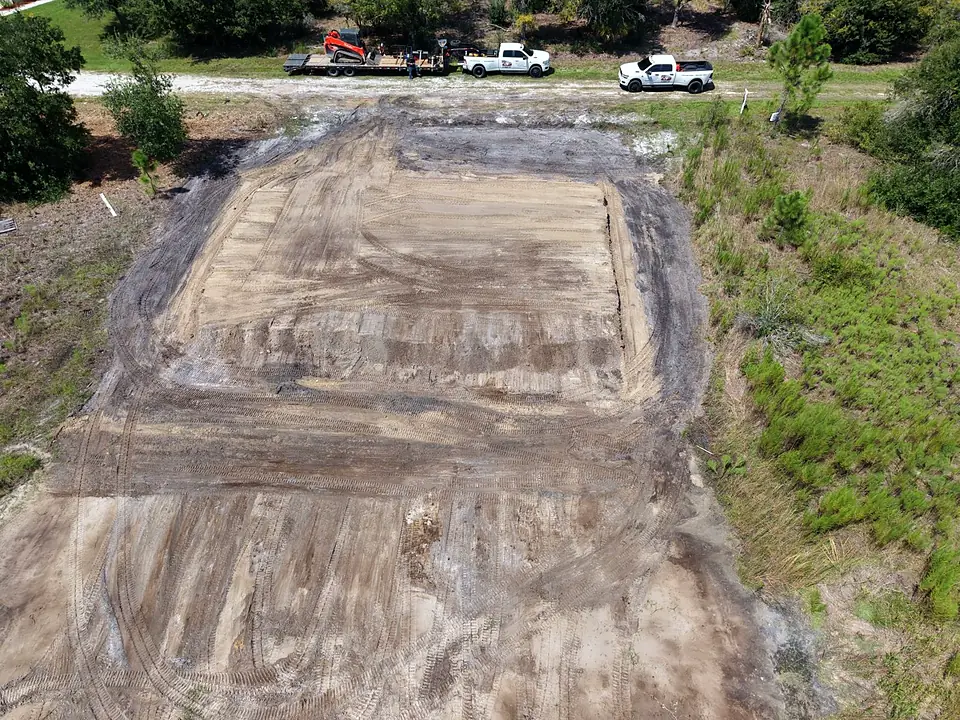
Aerial view of a raised sand house pad on a cleared lot with trucks on the road
Aerial view of a raised sand house pad on a cleared lot with trucks on the road. Charlotte County, September 2026.
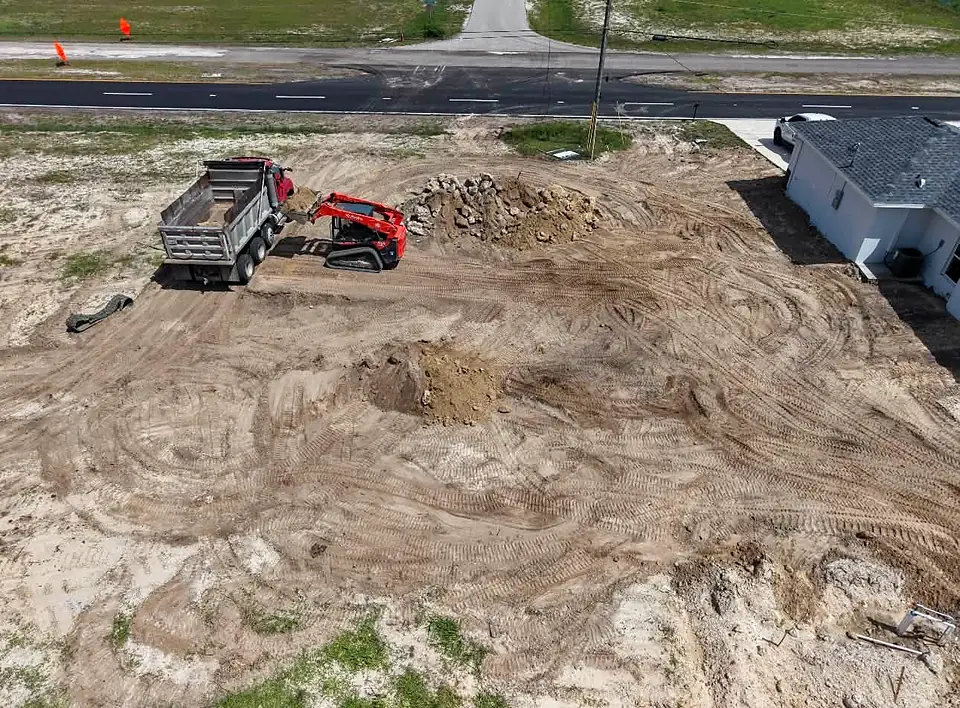
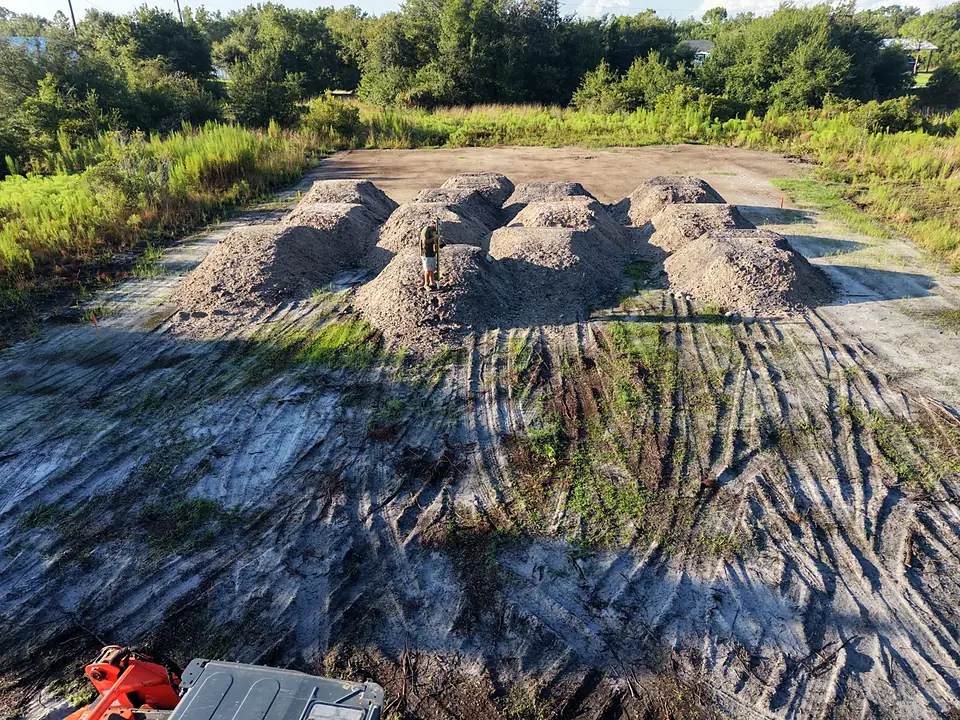
Aerial view of fill dirt piles on a cleared lot with a worker holding a grade rod
Aerial view of fill dirt piles on a cleared lot with a worker holding a grade rod. Charlotte County, September 2026.
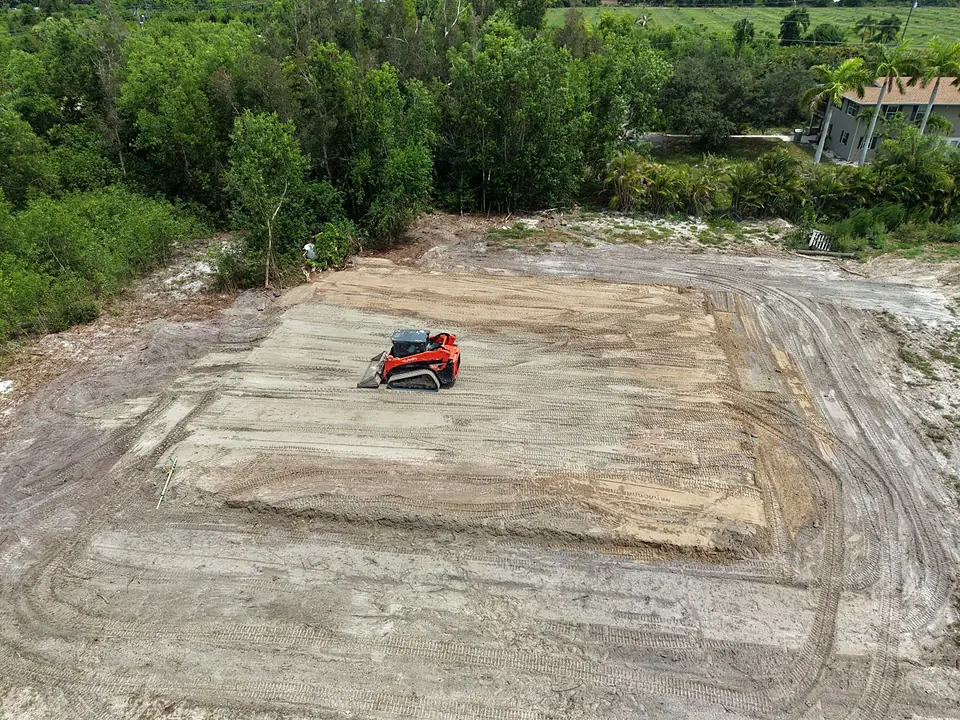
Aerial view of a track loader on a graded pad area in a cleared lot ringed by trees
Aerial view of a track loader on a graded pad area in a cleared lot ringed by trees. Pine Island, July 2026.
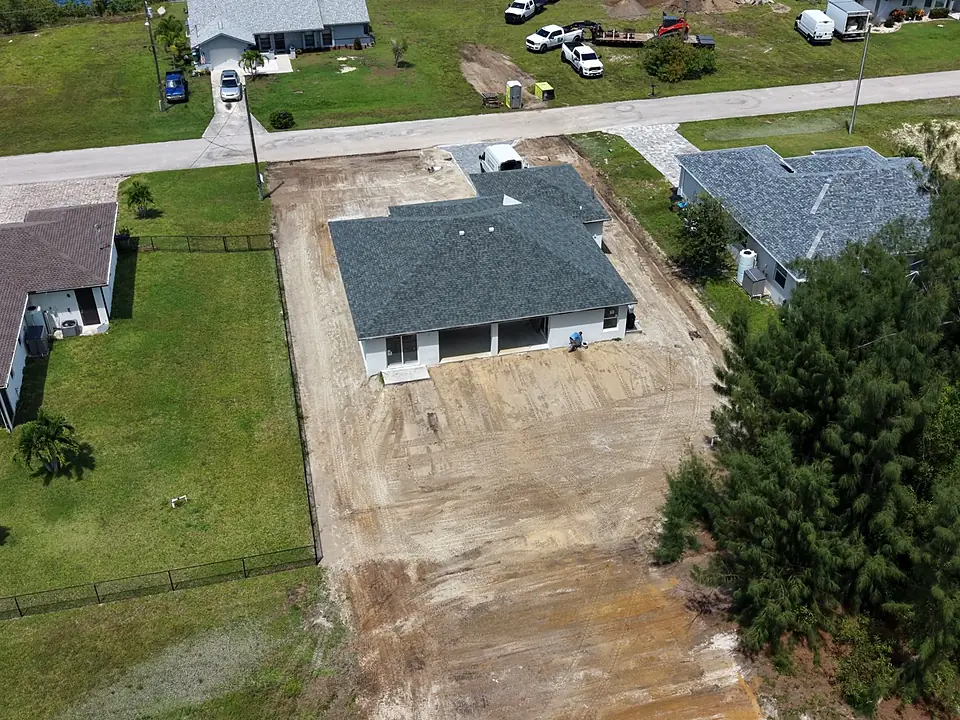
Aerial view of a new house surrounded by a graded dirt yard near the street
Aerial view of a new house surrounded by a graded dirt yard near the street. Cape Coral, September 2026.
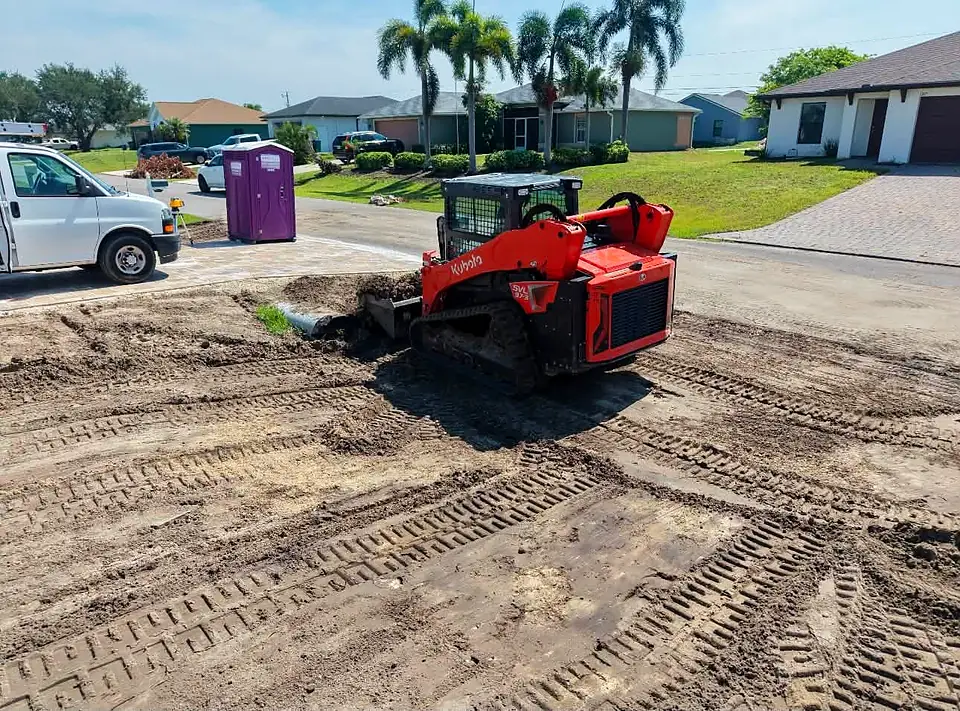
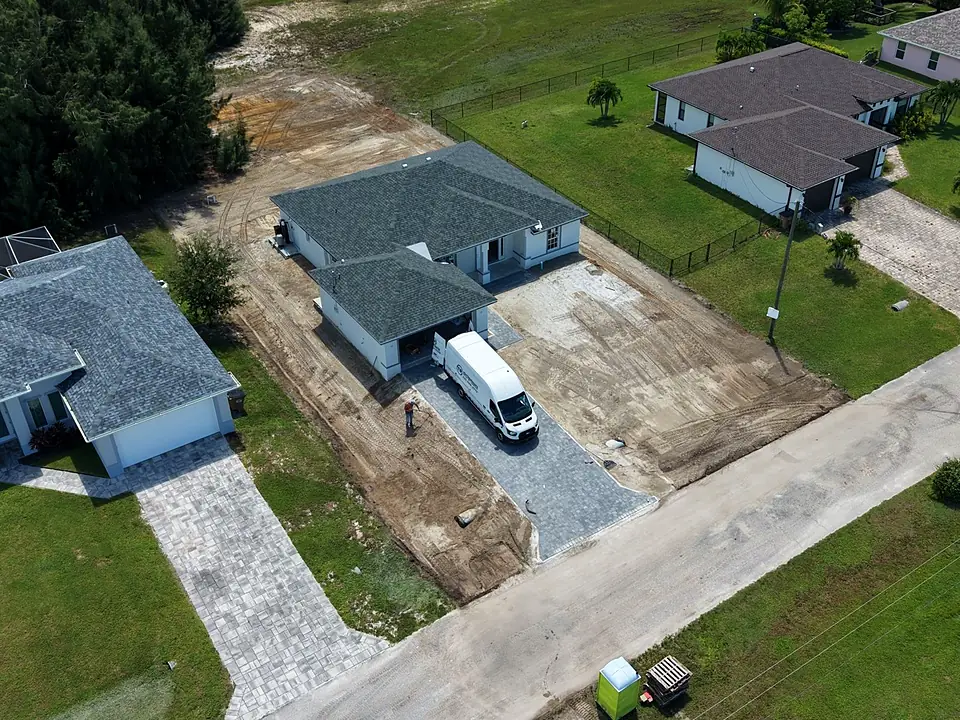
Aerial view of a new house with a paver driveway, graded yard and white van
Aerial view of a new house with a paver driveway, graded yard and white van. Cape Coral, September 2026.
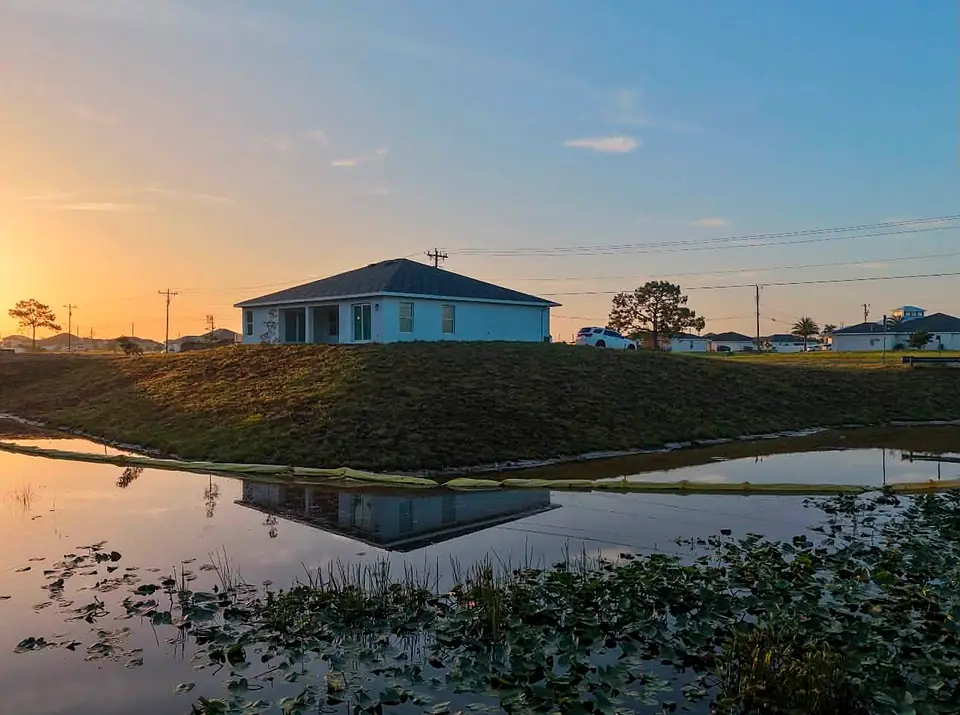
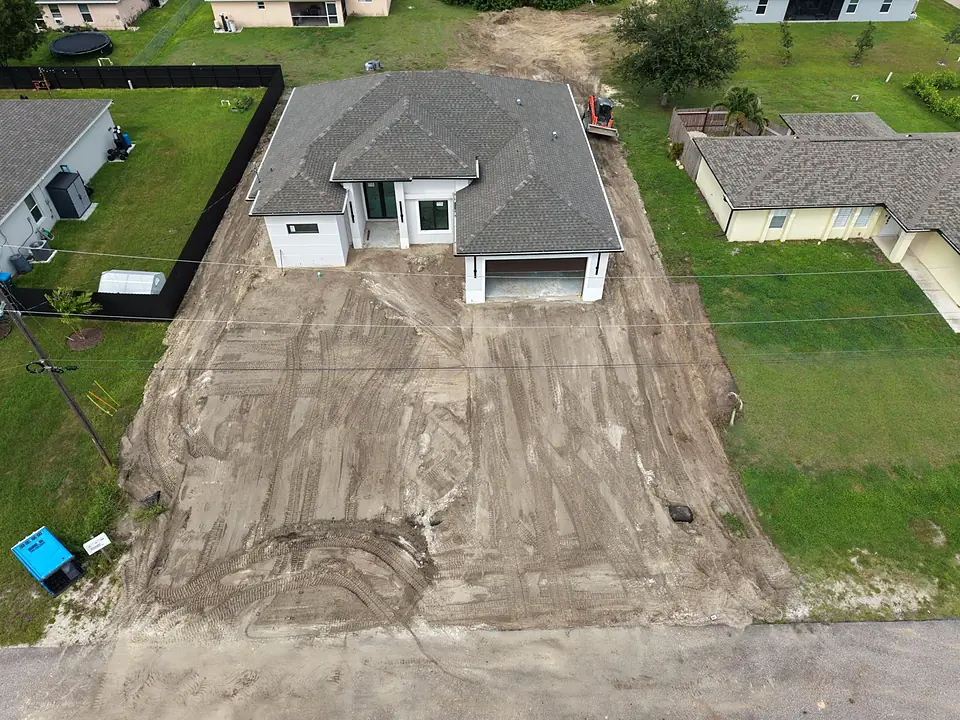
Aerial view of a new house with a fully graded dirt front yard
Aerial view of a new house with a fully graded dirt front yard. Lee County, July 2026.

Watch the work

A short clip from one of Chop's jobs: dump truck dropping fill on a lot. No sound.

Dump truck dropping fill on a lot.

What a house pad costs

Most house pads run $700 to $1,500, depending on the size of the pad. Fill dirt runs $250 to $350 a load, depending on where the lot is and how far it is from the pit. The number of loads depends on how far the lot has to come up, which is why we ask for the survey and site plan first.

Compare quotes on the same items: pad size and height, loads of fill, clearing, compaction and grading. Those are Chop's own ranges. Your exact price comes after he sees the lot, and the quote is free: call or text (239) 560-2996.

Cape Coral fill rules that shape your pad

The rule that surprises out-of-town buyers is the fill cap. For single-family and duplex homes in a Special Flood Hazard Area, Cape Coral's Land Development Code limits on-site fill to 12 inches unless the Building Official approves more, and the city's new-construction review checklist repeats it. That one line is the reason so many Cape houses sit on stem walls: the wall gets the floor up to flood height, and the fill goes inside it instead of across the whole lot.

Other numbers come from the same checklist. On every parcel, the top of the garage floor has to be at least one foot above the crown of the road. The site plan needs drainage information showing existing and proposed conditions and the direction water will flow, and slopes on the lot top out at 4:1. The Building Division describes flood freeboard as FEMA base flood elevation plus one foot.

The city also tells the permit holder to get the correct swale flow line elevations from the city, and it does not allow fill or building material to block the swale. Dumping fill into swales, drainage inlets or canals is prohibited outright. We keep stockpiles and truck traffic off the swale and out of the water, because a blocked swale becomes the neighbor's problem the first time it rains.

What kind of dirt goes under a house pad

Short answer: clean fill that compacts, with no roots, muck, stumps or trash in it. Organic material rots, the ground under it settles, and whatever sits on top cracks. Most of what we place in the Cape is sandy fill from local pits, which packs well at the right moisture. If your engineer or a soil report names a specific material, that is what goes in.

What comes out matters as much as what goes in. Before fill goes down, the footprint should be stripped of grass, roots and any soft or mucky soil so the new pad sits on firm ground. Cape Coral's building inspections quick reference says all added fill, disturbed soil and questionable soil needs a density test in the bottom of the foundation, so anything soft left under there tends to show up on that test.

For builders: what we hand back

You get a pad at the elevation on the approved plot plan, compacted and ready for the testing lab, with the yard rough graded so block trucks and the concrete pump can reach the house. We work off your surveyor's stakes and grade marks, and we would rather call you about a number that looks wrong than guess at it.

After the slab and walls are up, we come back for the finish. The city's certificate of occupancy checks look for slopes no steeper than 4 to 1, swales at the side property lines, at least 6 inches of fall in the first 10 feet away from the foundation, and grading that matches the approved plot plan. We set those grades so the sod crew and the final inspection only happen once. That part of the job lives on our final grading page.

For homeowners and owner-builders

Expect the lot to look worse before it looks better. Trucks will cross the swale at the future driveway, piles may sit on the lot for a day or two, and the ground will be bare sand until sod goes down. Once the pad is compacted it is hard enough to walk on in work boots, and the surveyor comes back to check elevations before forms go up.

If you are building as an owner-builder, the pad is where inspections start to stack up. Ask early who is hiring the density testing lab, and get your surveyor's elevation numbers to us before we haul. The whole order of operations, from clearing to sod, is laid out in our guide to building on a Cape Coral lot.

Timing, rain and trucks

South Florida's wet season runs from May 15 to October 15, and that stretch brings most of the year's rain. Wet sand can still be compacted, but standing water on a lot slows everything down. In summer we watch the forecast and try to place and compact fill in the same run of dry days instead of leaving loose fill open to a storm.

Truck access is the other variable. Corner lots and narrow streets need a plan for where trucks turn and dump. Florida law requires a call to Sunshine 811 at least two full business days before digging or grading, so that call goes in when the job is scheduled, not the morning we show up.
How the job runs

  1. Call or text Chop at (239) 560-2996 with the lot location and whether you have plans yet.

  2. We look at the lot, the survey and the plot plan, then give you a free quote.

  3. We call in 811 locates, line up fill deliveries and set the start date with you or your builder.

  4. We place and compact the fill, then grade the lot so it is ready for the next trade.

Questions about house pads & lot fill

Not covered here? Call Chop at (239) 560-2996 or read the full FAQ.

How much does a house pad cost?

Most house pads run $700 to $1,500, depending on the size of the pad. Fill dirt runs $250 to $350 a load, depending on where the lot is and how far it is from the pit. Those are Chop's own ranges. Your exact price comes after he sees the lot, and the quote is free: call or text (239) 560-2996.

How high does a house pad need to be in Cape Coral?

High enough to put the floor where your permit says it goes. In a flood zone that usually means base flood elevation plus one foot or more, and on every Cape Coral lot the garage floor has to sit at least one foot above the crown of the road. Your surveyor and designer set the exact number on the plot plan, and we build to it.

Why can't I just fill my whole Cape Coral lot up to flood elevation?

In a Special Flood Hazard Area, the city limits on-site fill for single-family homes to 12 inches unless the Building Official approves more. Raising a whole lot would also push rainwater onto the neighbors. That is why most flood-zone houses in the Cape gain their height with stem walls.

What kind of dirt should be used for a house pad in Florida?

Clean, compactable fill with no organic material, roots, muck or debris mixed in. Sandy fill from a local pit is common in Lee County. If your engineer specifies a material or a soil report calls for something else, the plans win.

Who does the density test on a new house pad?

An independent testing lab, usually hired by the builder or the owner-builder. Cape Coral requires a density test in the bottom of the foundation wherever fill was added or soil was disturbed. We compact the pad so it is ready for that test and coordinate timing with whoever hires the lab.

Is a permit needed to bring fill onto a Cape Coral lot?

On a lot getting a new house, fill and grading are normally covered by the building permit and its approved site plan. Filling a lot with no building permit is different: the city's code calls for a Land Clearing and Fill permit for that work. Check with Cape Coral Permitting Services before filling a lot you are not building on yet.

How many truckloads of fill does a Cape Coral lot take?

It depends on how low the lot sits, the floor height on the plans, the foundation type and how much yard has to come up for drainage. We work it out from the survey and plot plan when we quote. Call (239) 560-2996 and have your survey handy.

Get a free quote for house pads & lot fill

Call Chop with the lot address and what the plans call for. He answers his own phone, often from the seat of a machine.

Call LlamarFree quote